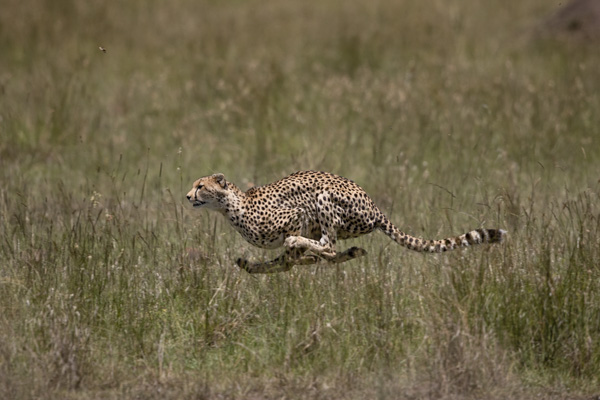
When most people pack for a safari in Kenya, they focus on the “reach”—the massive telephoto lenses designed to count the whiskers on a lion or the eyelashes of a giraffe. But after spending time on the rolling plains of the Masai Mara and the dramatic landscapes of the Rift Valley, I’ve realized that the most powerful stories are often told when you zoom out.

1. Capturing the "Animalscape"

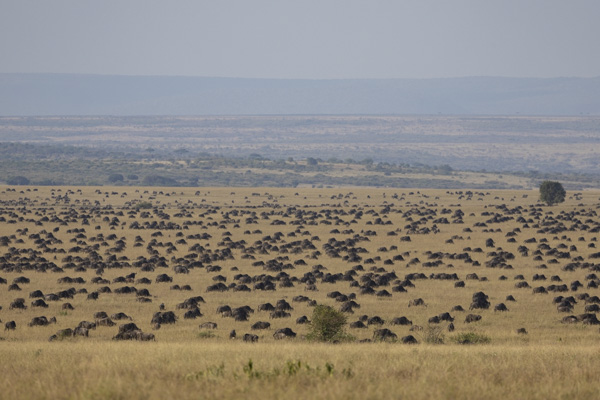
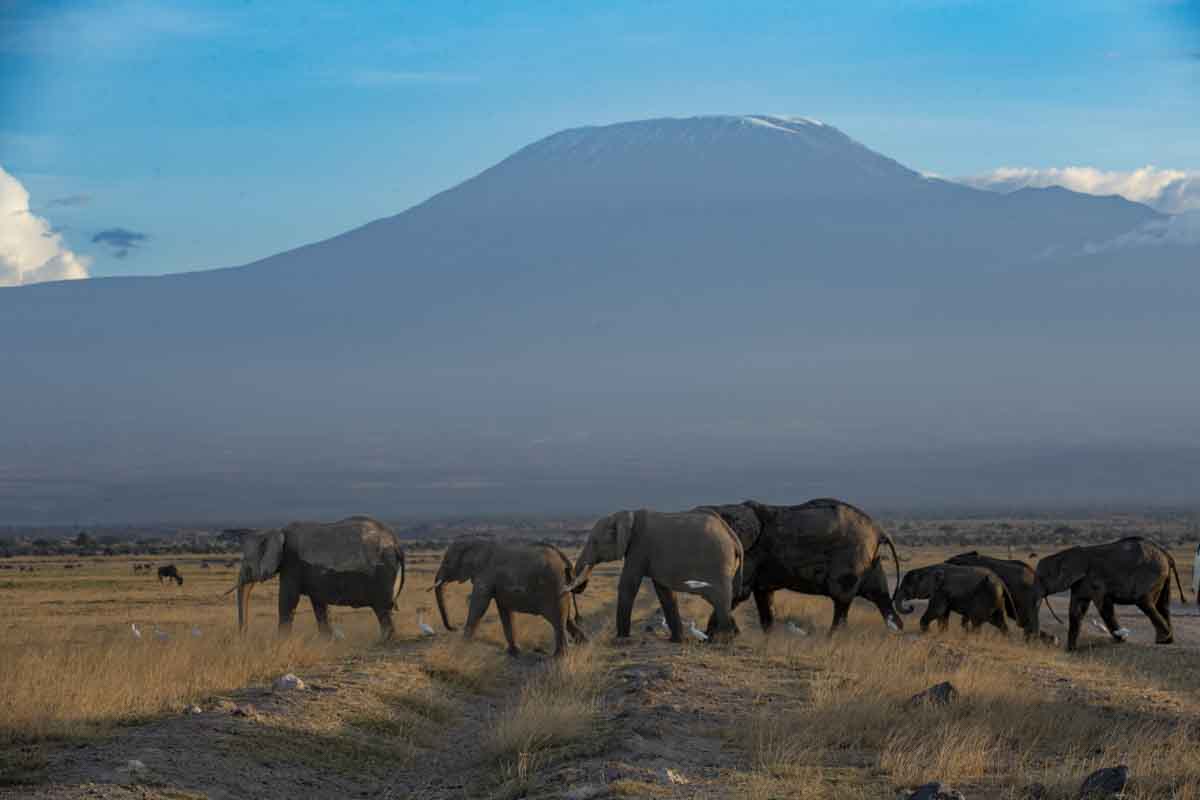
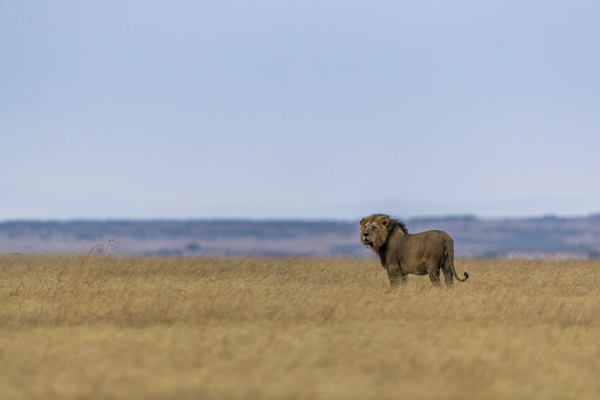
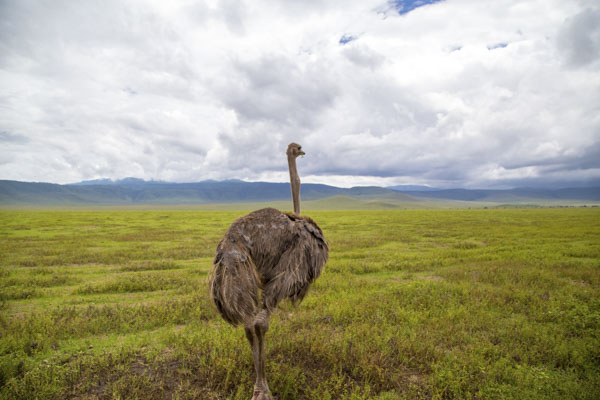
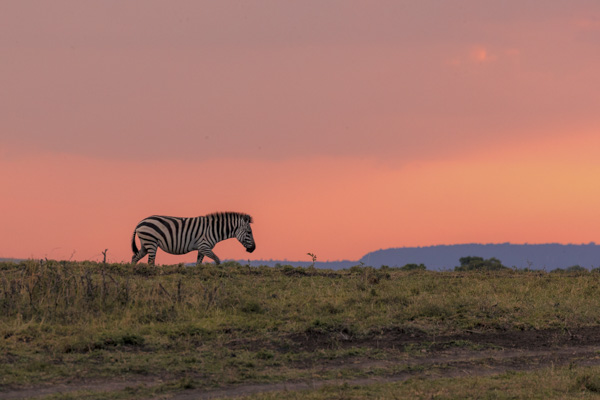
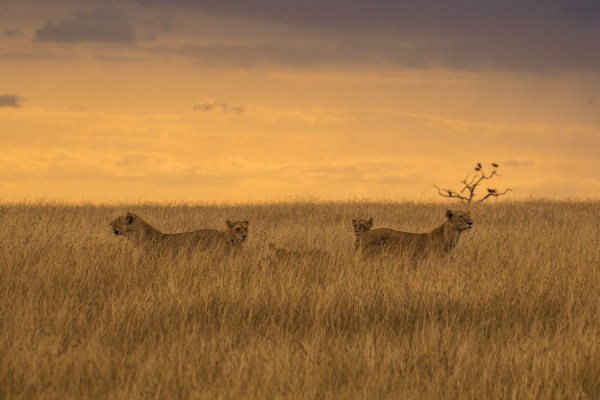
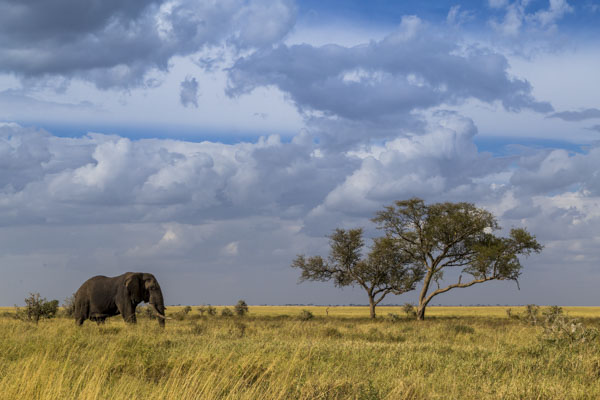
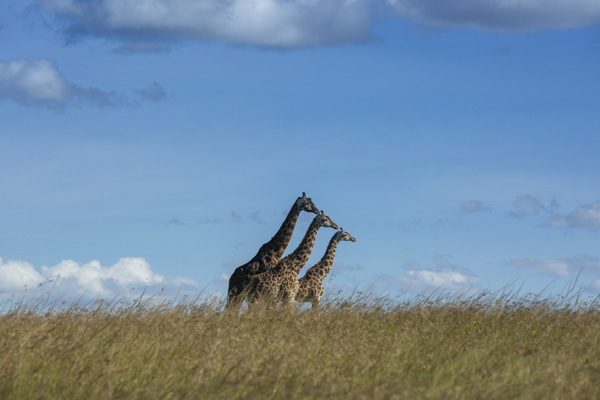
In Kenya, the wildlife doesn’t exist in a vacuum; it’s part of a vast, breathing ecosystem. Using a wide-angle lens (anything from 16mm to 35mm) allows you to capture what photographers call an “Animalscape.” Instead of just a tight portrait of an elephant, a wide lens places that elephant against the backdrop of the acacia-dotted horizon or beneath a towering thunderhead. It gives the viewer a sense of scale and “place” that a telephoto lens simply compresses away. It tells the story of the animal’s home, not just the animal itself.

2. The Masai Mara: A Masterclass in Light

The Masai Mara specifically offers some of the most beautiful lighting on the planet, and here is why it works so well for wide-angle photography:

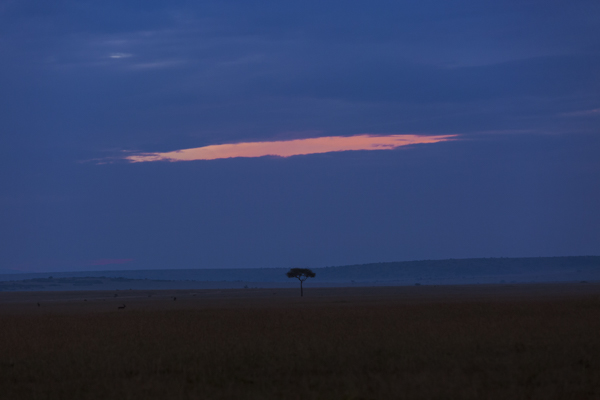
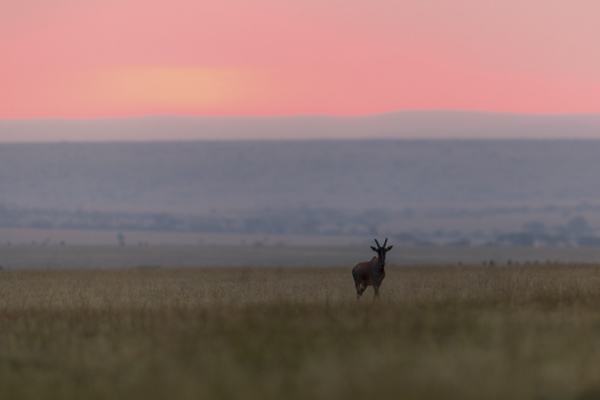
  • The Golden Hour Glow: Because the Mara is an open savanna, there are no mountains to block the sun as it hugs the horizon. This results in a long, “uninterrupted” golden hour. A wide-angle lens captures the way this honey-colored light stretches across miles of red oat grass.
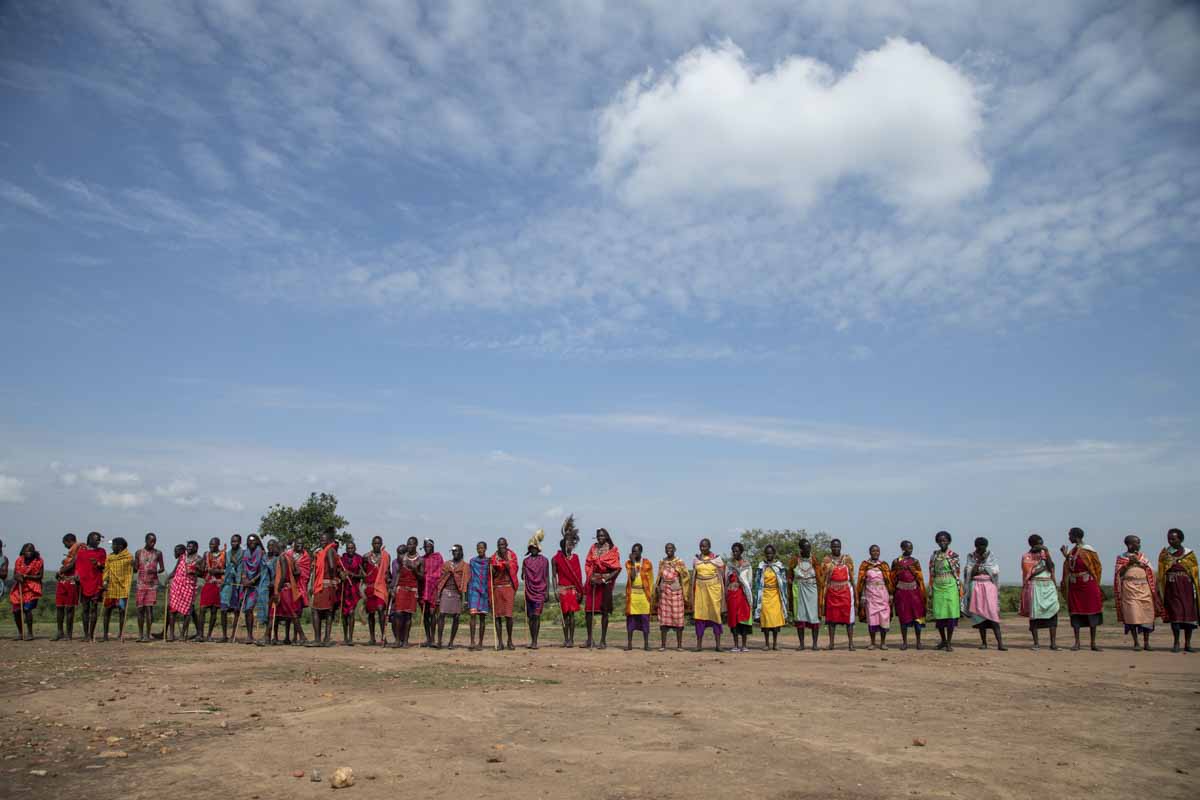
  • The Drama of the Sky: Kenya’s equatorial weather often brings dramatic afternoon storm clouds. With a wide lens, you can devote two-thirds of your frame to these moody, textured skies, creating a sense of epic scale that defines the East African experience.
  • Dust and Atmosphere: During the dry season, the dust kicked up by herds of wildebeest or zebras catches the light in a magical way. A wide-angle lens allows you to include those layers of hazy atmosphere, adding depth and a dreamlike quality to your shots.

3. Why it Works for Landscapes

Beyond the wildlife, Kenya’s topography is a work of art. From the jagged edges of the Great Rift Valley to the lone, iconic trees of the Mara, the landscape demands a wide field of view.

Pro Tip: When shooting wide on safari, try to find a “hero” element for your foreground—a fallen log, a patch of wildflowers, or even the curve of the safari vehicle’s hood. This creates a leading line that draws the eye into the infinite Kenyan horizon.

By Usha Harish

Which of these shots is your favorite? If you're planning your own safari, don't forget to pack a lens that can capture the "big picture." Kenya is too vast to see through a narrow straw!