The Heart-Pounding Hunt: Through My Lens
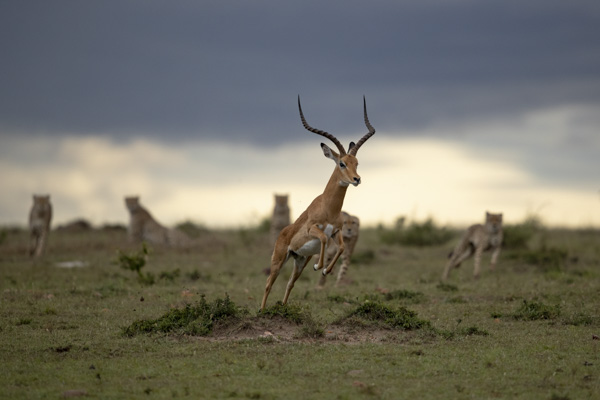
There is nothing quite like the adrenaline rush of spotting a cheetah through my viewfinder. I’ve spent countless hours in the field, but my heart still races every time a mother cheetah locks eyes on her target. It’s a nail-biting experience—you’re holding your breath, trying to stay as still as the tall grass, waiting for that explosive moment.
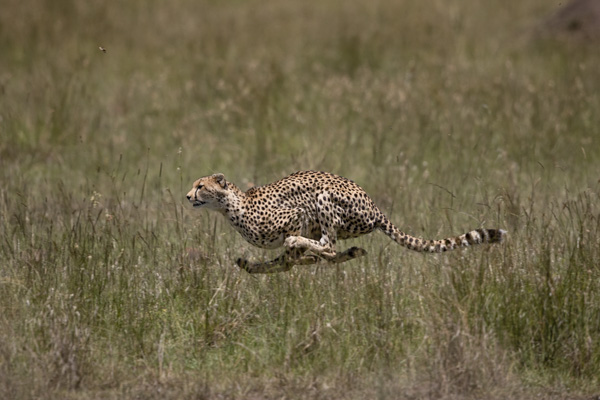
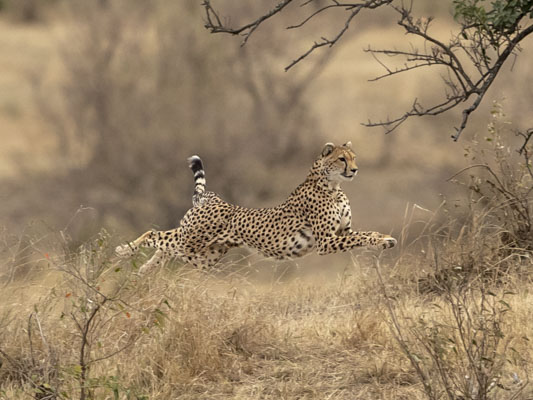
Capturing a cheetah in action is the ultimate test for any photographer. When they hit top speed, they aren’t just running; they are flying. If you blink, you miss it. If your settings are wrong, all you get is a golden blur.
Pro Tip for the Field: To freeze that incredible motion, I always push my shutter speed to at least 1/2000s or higher. I keep my focus mode on “Continuous” (AF-C) to track her as she maneuvers, and I usually open my aperture wide to create that beautiful, creamy background that makes her spots truly pop.


A Mother’s Resilience: The Hardest Job on Earth
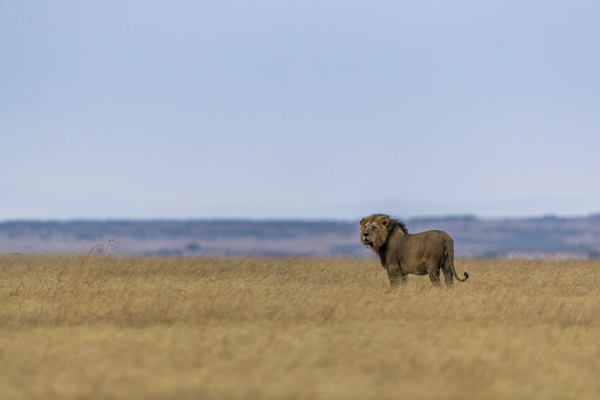
But the most moving part of the story isn’t the speed—it’s the stakes. Watching a mother cheetah hunt is an emotional rollercoaster. Unlike lions, she’s a solo parent. She has no pride to back her up.
Every hunt is a gamble. She uses that legendary speed to bring down prey, but she is built for velocity, not for combat. After a sprint, she is often too exhausted to defend her meal. I’ve watched with a heavy heart as larger predators like hyenas or lions move in to steal the food she worked so hard to catch.
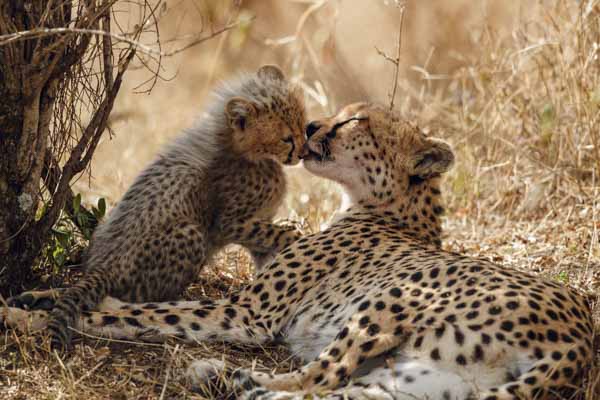
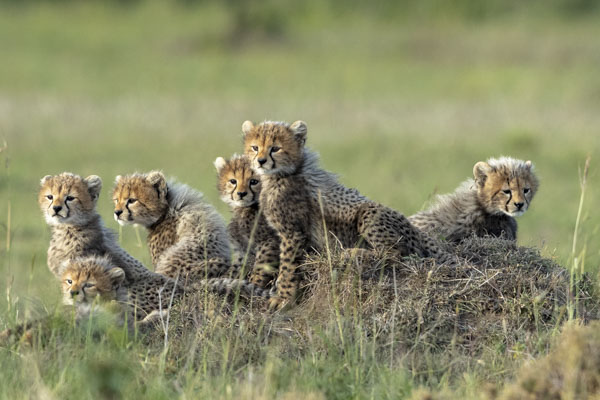
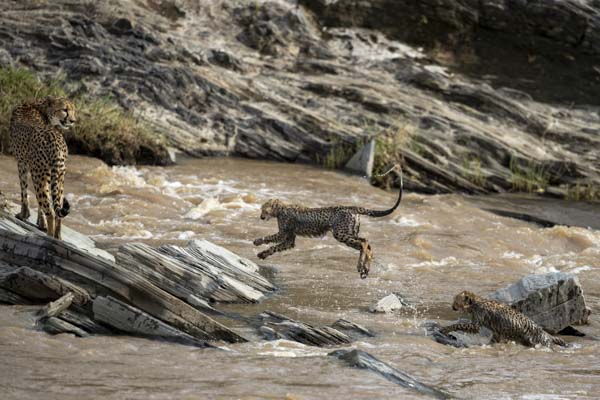
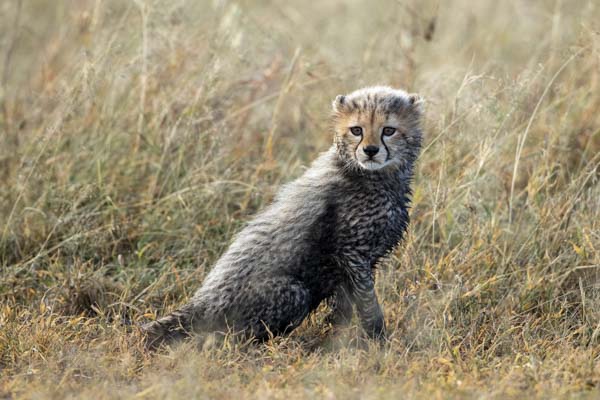
She has to balance her own hunger with the safety of her cubs, who are often hidden nearby, vulnerable and waiting. It’s a life of constant vigilance and breathtaking elegance—a high-speed tightrope walk where every second counts.

Why I Keep Coming Back
Every time I look at my photos of these “ghosts of the savannah,” I’m reminded that beauty and struggle often go hand in hand. The cheetah isn’t just the fastest animal on land; she is a symbol of perseverance and a masterpiece of evolution. Capturing her in action is more than just a hobby for me—it’s a way to honor one of the most remarkable lives on our planet.
By Usha Harish