
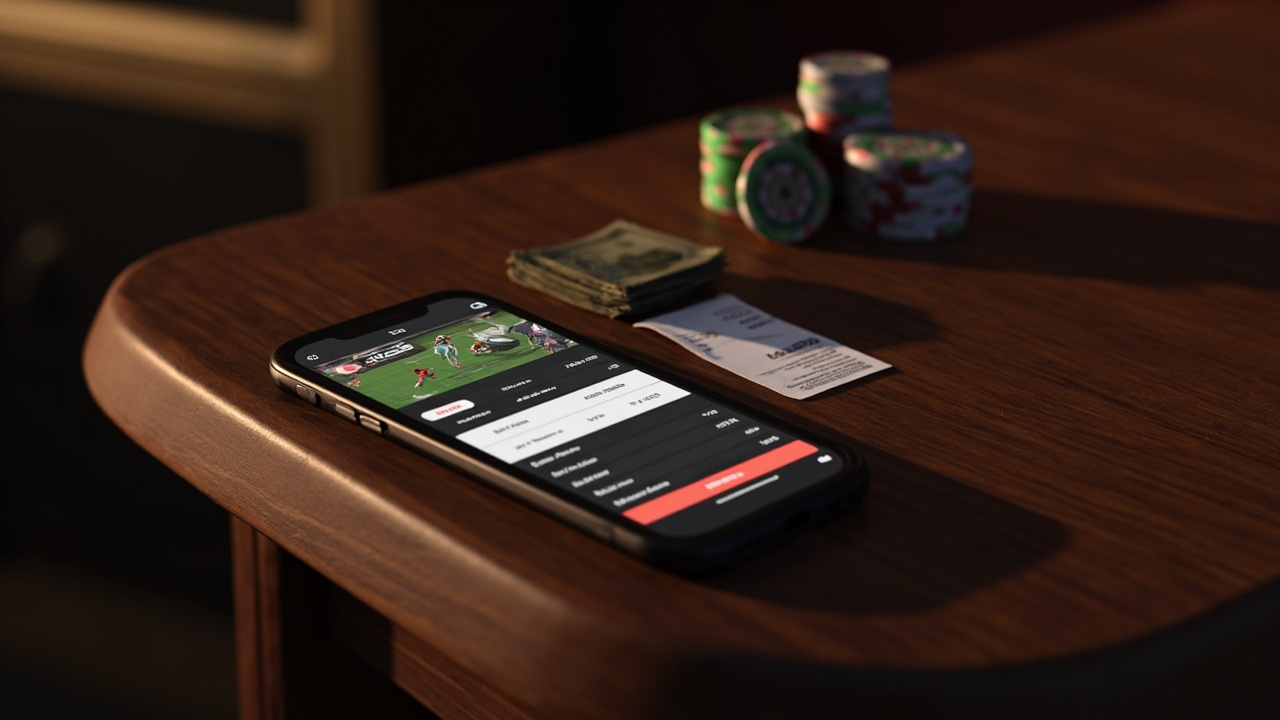
I have spent more than a decade tracking how Australians approach table limits and session caps, and the most reliable win limit casino strategy starts with discipline rather than optimism. When you sit down at a Hobart casino floor or log into a licensed Australian platform, the first decision is not which game to play but how much you are prepared to walk away with. That mindset separates casual punters from players who actually protect their bankroll over time.
A solid win limit casino strategy treats every session like a business with a closing time. You set a target before the first card is dealt or the first reel spins, then you stick to it even when the table feels hot. I have watched seasoned dealers and floor managers in Hobart watch players blow winning sessions because they kept chasing the next hand. The reality is simple: a capped win removes emotion from the equation and keeps your play within the bounds of entertainment, not speculation. big bass splash demo
The same principle applies to digital play, where demo titles and free modes let you test pacing without risking real money. If you want to see how a particular slot handles mid-session volatility before you commit, you can run the big bass splash demo and watch how the hit frequency behaves when you push past your usual stop point. That kind of low-stakes observation teaches you more about your own limits than any marketing claim ever will.
Registering on a licensed Australian-facing operator usually takes a few minutes, and you will need to verify identity before any real-money withdrawal clears. Most platforms accept AUD directly, with EFT and trusted e-wallets moving funds through standard processing windows. I have found that players who set a win target before registering also tend to check the cashier flow first, because a smooth deposit and withdrawal path matters more than a flashy bonus when you are actually trying to bank a result. Video Poker Strategy For Smarter Australian
Table limits and session caps vary by game, but the pattern is consistent across well-run floors and reputable online lobbies. You will usually see minimum and maximum stakes per round, along with daily or weekly play boundaries that some operators surface in their responsible gaming tools. The table below shows how a typical win target interacts with common stake ranges, so you can see where your ceiling sits before you start.
| Win Target (AUD) | Typical Min Stake | Typical Max Stake | Sessions Before Cap |
|---|---|---|---|
| 100 | 1.00 | 25.00 | 4-6 |
| 250 | 2.00 | 50.00 | 3-5 |
| 500 | 5.00 | 100.00 | 2-4 |
The numbers are illustrative, not promises, and they assume you are playing a game with a stable volatility profile rather than chasing a single big hit. What matters is that your ceiling is realistic for the stakes you choose, because a win limit casino strategy only works when the math of your session matches the maths of the game.
One common misconception is that setting a win limit somehow tilts the odds in your favour. It does not. The house edge stays exactly where it is, and a cap on your winnings does not change the return on any individual round. What a limit actually does is protect you from your own momentum, which is the only variable you can control once you are seated. That distinction is important, because players who think a win target is a secret edge end up ignoring the real work: choosing stakes, watching session length, and walking away when the number is hit.
I have covered video poker tables for years, and the same discipline shows up there as on the slots floor. If you want a closer look at how hand selection and pay tables interact with a capped session, this short read on smarter Australian video poker play walks through the basics without pretending the game is a shortcut. The point is not to memorise every payout but to understand that a win limit works best when you already know the game’s rhythm.
Dealers on a busy floor will tell you that tips, often called toks, usually come from players who are having a good run and want to keep the table moving. That habit says more about session psychology than it does about strategy, but it is a useful reminder that wins feel different once they are real money in your pocket. A clear ceiling keeps that feeling from turning into a reason to stay seated for one more hand.
Payment flow is where a win limit casino strategy meets the real world, because banking a result only matters if the cashier actually works the way you expect. Most Australian-facing operators accept AUD deposits through cards and e-wallets, with withdrawals typically routed back through the same method for verification reasons. Processing times vary, and identity checks are standard before the first payout, so I always advise players to read the cashier terms before they set a target. A win limit is only useful if you can actually move the money out without friction.
Support and loyalty programs also shape how well a session holds together. Good support answers cashier and verification questions quickly, and a straightforward loyalty scheme rewards regular play without making you chase bonuses that distort your win target. I have seen players lose track of their own ceiling because a rolling bonus nudged them to keep going, which is exactly the opposite of what a win limit casino strategy is supposed to do.
If you are weighing whether this approach fits your play, the answer depends on how you handle a winning session. If you tend to stay at the table after a good run and watch the result erode, a hard win cap is worth adopting before your next deposit. If you already walk away when you are ahead, the same idea just gives you a cleaner rule to follow. Either way, the strategy is about protecting a good session, not manufacturing one.
A practical win limit works best when it is tied to a stake range you can afford, a game you understand, and a cashier path you have already checked. That combination keeps the session focused on entertainment and keeps the result realistic. For Australian players 18 and over, that is the kind of discipline that turns a pleasant arvo at the tables into a repeatable habit rather than a one-off rush.






