
“When should we go?” is usually the first real question in any Masai Mara planning conversation, and it’s also the one people get the least straight answer to. Most guides just say “anytime is good” and move on. It isn’t that simple, and it shouldn’t be treated that way when you’re planning around flights, leave days and a trip that doesn’t come around often.
Here’s a plain month-by-month breakdown of the best time to visit Masai Mara, based on what actually changes on the ground through the year.
What Actually Changes Season to Season
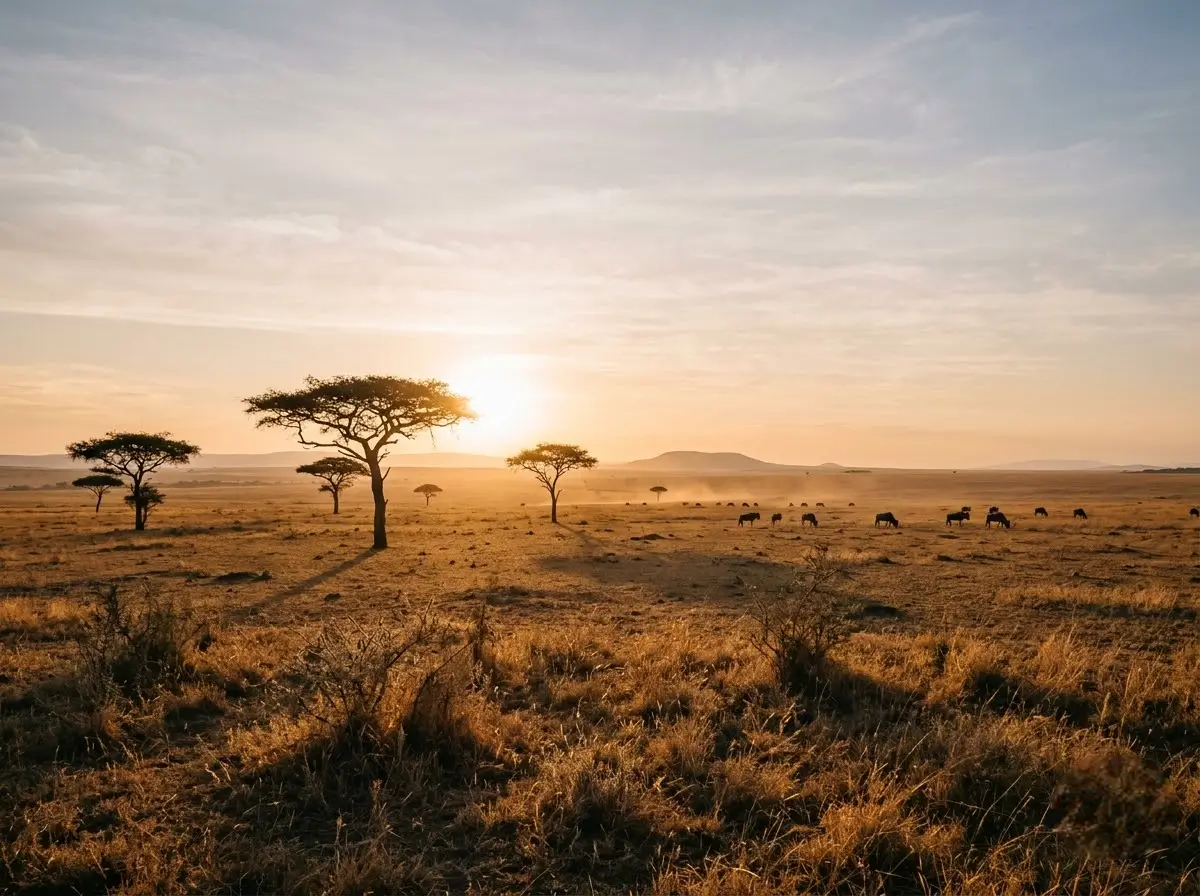
Two things shift through the year, and they shift together: rainfall and visibility. In the dry season, low grass and dry bush make it much easier to spot lions, leopards and rhinos, because there’s simply less vegetation for them to disappear into. Animals also gather around the few remaining waterholes during the dry months, which creates natural “one-stop” viewing spots where a lot of wildlife activity is concentrated in a small, predictable area.
Month-by-Month at a Glance
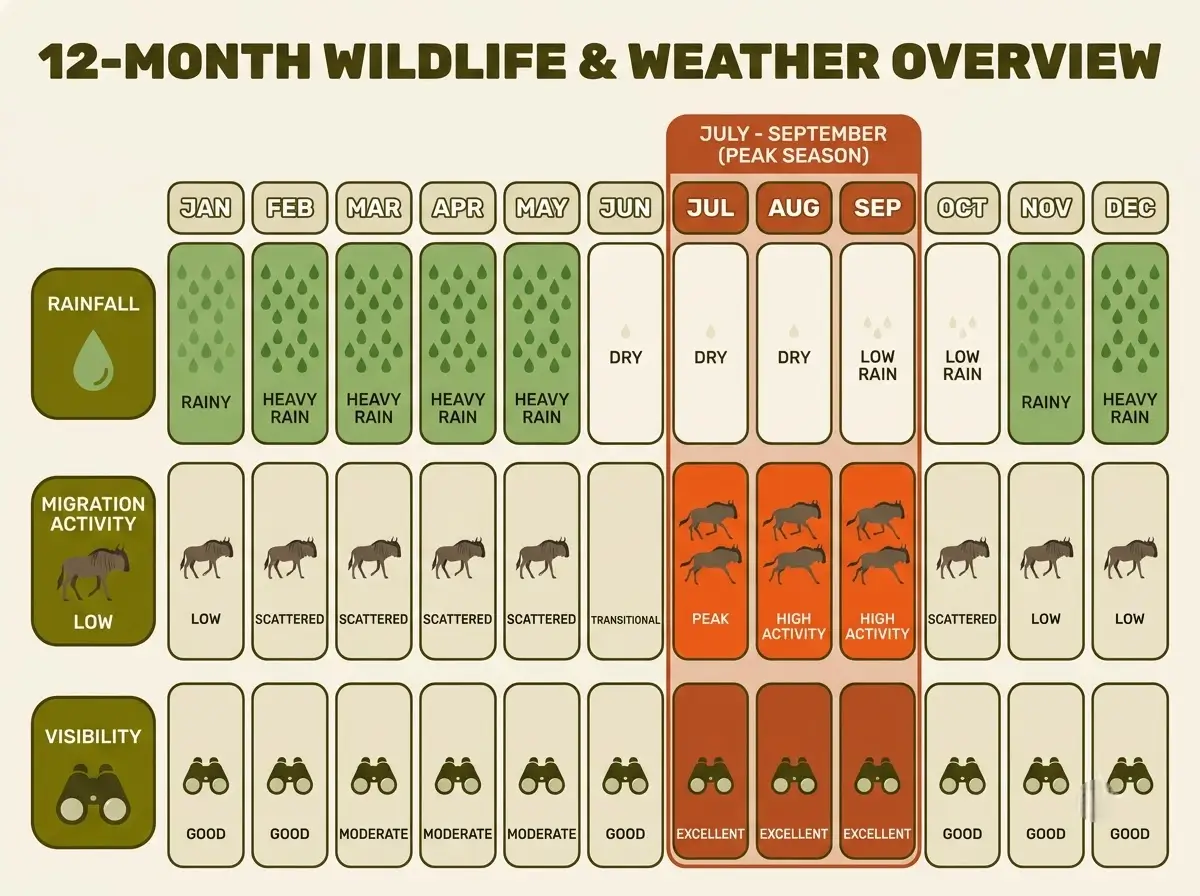
| Months | What’s Happening | Best For |
|---|---|---|
| January to February | Dry, warm, good general game viewing | Clear skies, good early-year visibility |
| March to May | Long rains, lush greenery, fewer visitors | Budget-conscious travel, dramatic landscape photography |
| June | Transition into dry season | Early migration arrivals, improving visibility |
| July to September | Peak migration with river crossings | The Great Migration spectacle, best overall sightings |
| October | Migration beginning to move south, still dry | Strong visibility, slightly fewer crowds than peak |
| November to December | Short rains begin, landscape greening up | Quieter camps, greener photography backdrops |
The Big Event: July to September
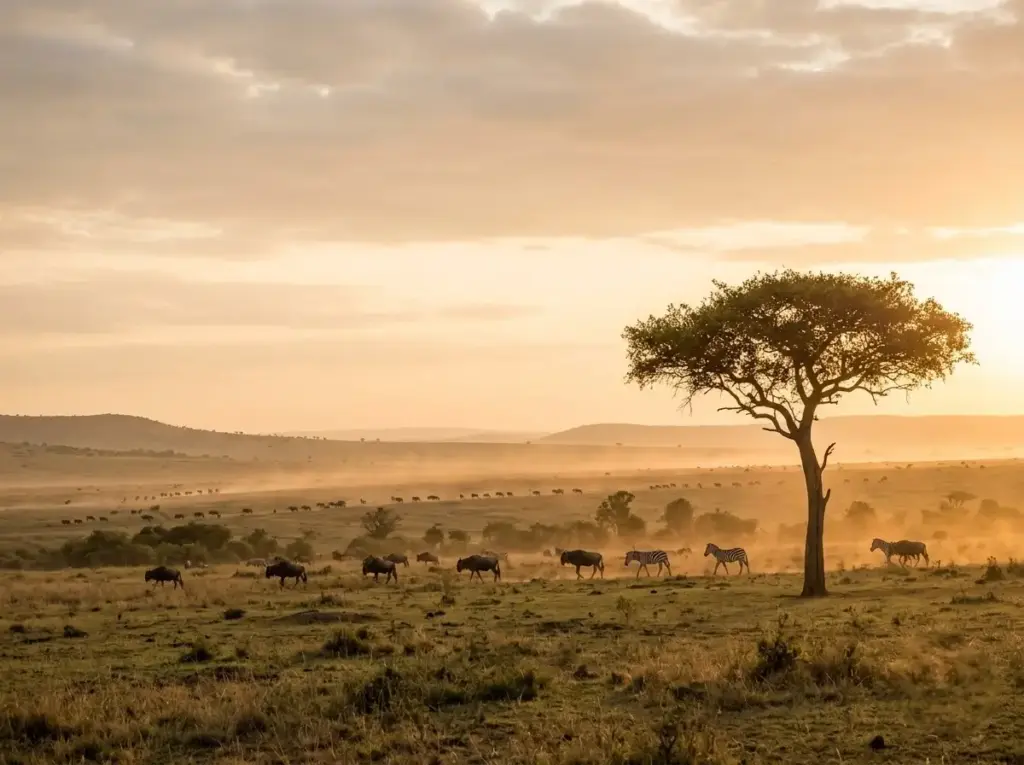
July to September is the peak for the Great Migration river crossings in the Masai Mara. It’s the window most people picture when they imagine a Masai Mara safari: thousands of wildebeest and zebras moving as one, the tension before a crossing, and dry-season visibility that lets you see all of it clearly. If the migration is the reason you’re going, build your trip around these months and book well ahead, because camps in the Mara fill up fastest for this window.
The Dry Season Advantage, Beyond Just July to September
The visibility advantage isn’t limited to the three peak migration months. Low grass, dry bush and the waterhole effect carry into the shoulder months around the main dry season too. A trip timed slightly outside the absolute peak can still deliver strong game viewing, without the same booking pressure or camp crowding.
The Green Season Has Its Own Case
The long and short rains bring a different kind of Mara: lush, green, with dramatic skies and noticeably fewer visitors. There’s a trade-off. Wildlife is more spread out and slightly harder to track down, since water is everywhere rather than concentrated at a few waterholes. But the landscape photographs completely differently, and camps are quieter. If crowd levels matter more to you than guaranteed migration drama, weigh this season properly rather than dismissing it as “off-season”.
Peak Season vs Green Season: A Quick Comparison
| What You Care About | Peak Season (July to September) | Green Season (Long and Short Rains) |
|---|---|---|
| Wildlife visibility | Excellent. Low grass, dry bush, animals around waterholes | More spread out, slightly harder to track down |
| Great Migration | River crossings at their peak | Not the main draw |
| Crowds | Busiest time in the Mara | Noticeably fewer visitors |
| Camp availability | Fills up fastest, book early | Quieter camps, easier to secure |
| Landscape and light | Dry, golden, open plains | Lush greenery and dramatic skies |
| Best for | First-time visitors chasing the migration | Travellers who prefer a quieter, more personal Mara |
How This Should Shape Your Booking Decision
Start with what you actually want to see and experience, rather than picking “the best month” in the abstract:
- Want the river crossings specifically? Build your trip around July to September and book early.
- Want strong wildlife visibility without peak crowding? Consider October, right as the migration begins moving on but visibility is still excellent.
- Want a quieter, more personal experience and don’t mind trading some visibility? The rainy months offer a different, less crowded Mara.
FAQ: Best Time to Visit Masai Mara
What is the single best time to visit Masai Mara?
July to September is the peak for the Great Migration river crossings and offers the strongest overall game visibility thanks to dry-season conditions.
Why is visibility better in the dry season?
Low grass and dry bush make it easier to spot lions, leopards and rhinos, and animals gather around the few remaining waterholes, creating concentrated viewing spots.
Is it worth visiting outside the July to September peak?
Yes. The dry-season visibility advantage extends into the shoulder months, and the rainy season offers a quieter, greener experience for travellers who value fewer crowds over guaranteed migration drama.
How far in advance should I book for the peak migration months?
As early as possible. Camps in the Mara, including ours at Mara Siligi, fill up fastest for the July to September window.
Does the best time to visit change depending on what I want from the trip?
Yes. Migration-focused travellers should prioritise July to September, while travellers who want quieter camps and dramatic landscapes may prefer the green season.
The Short Version
The best time to visit Masai Mara depends on what you’re optimising for. The river-crossing spectacle and strongest visibility sit in July to September, while the quieter, greener months give you a different experience at a different pace. Either way, timing your trip around what you want to see beats picking a month at random.
Ready to Pick the Best Time to Visit Masai Mara?
Tell us your dates, group size and what you hope to see, and we’ll help you plan a Masai Mara safari around the right season, with a stay at our own Mara Siligi Camp.
Get Your Free Quote Call +254 742 801 843Start planning your Masai Mara trip with Frame The Wild Moments, or reach us at [email protected] / +254 742 801 843.






