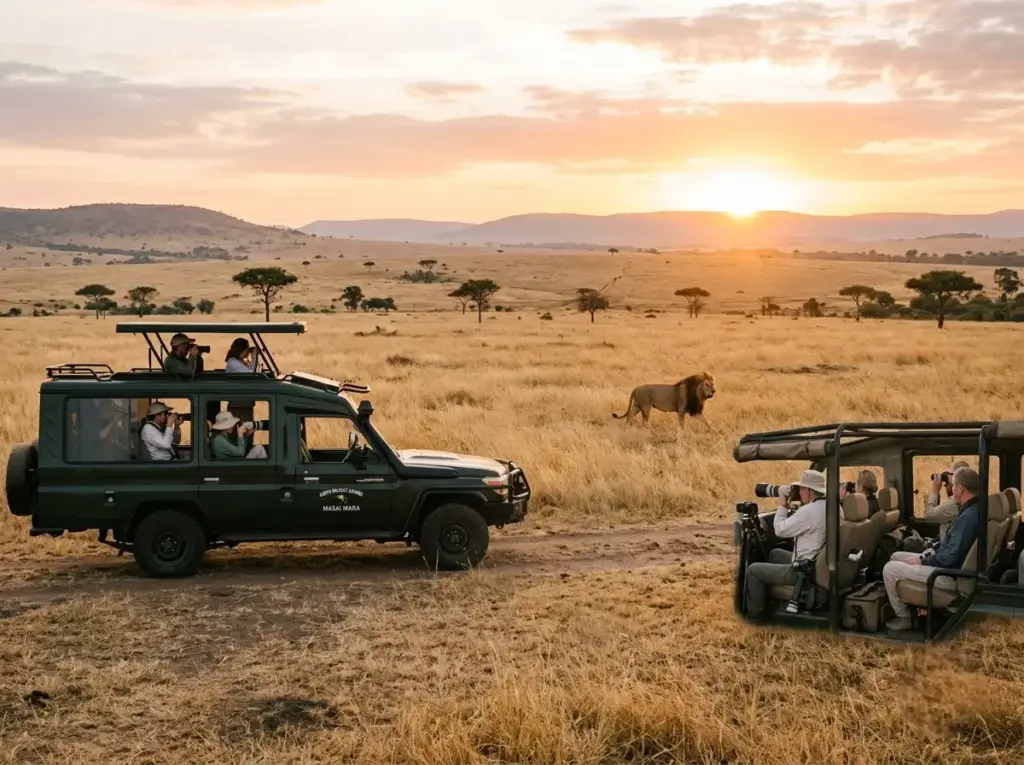
Booking a wildlife safari around the wrong month is the single easiest way to end up disappointed by a trip that cost thousands of pounds. Kenya doesn’t have a single “best” month — it has several good ones, each suited to a different kind of trip, and knowing which is which before you book makes a genuine difference to what you’ll actually see.
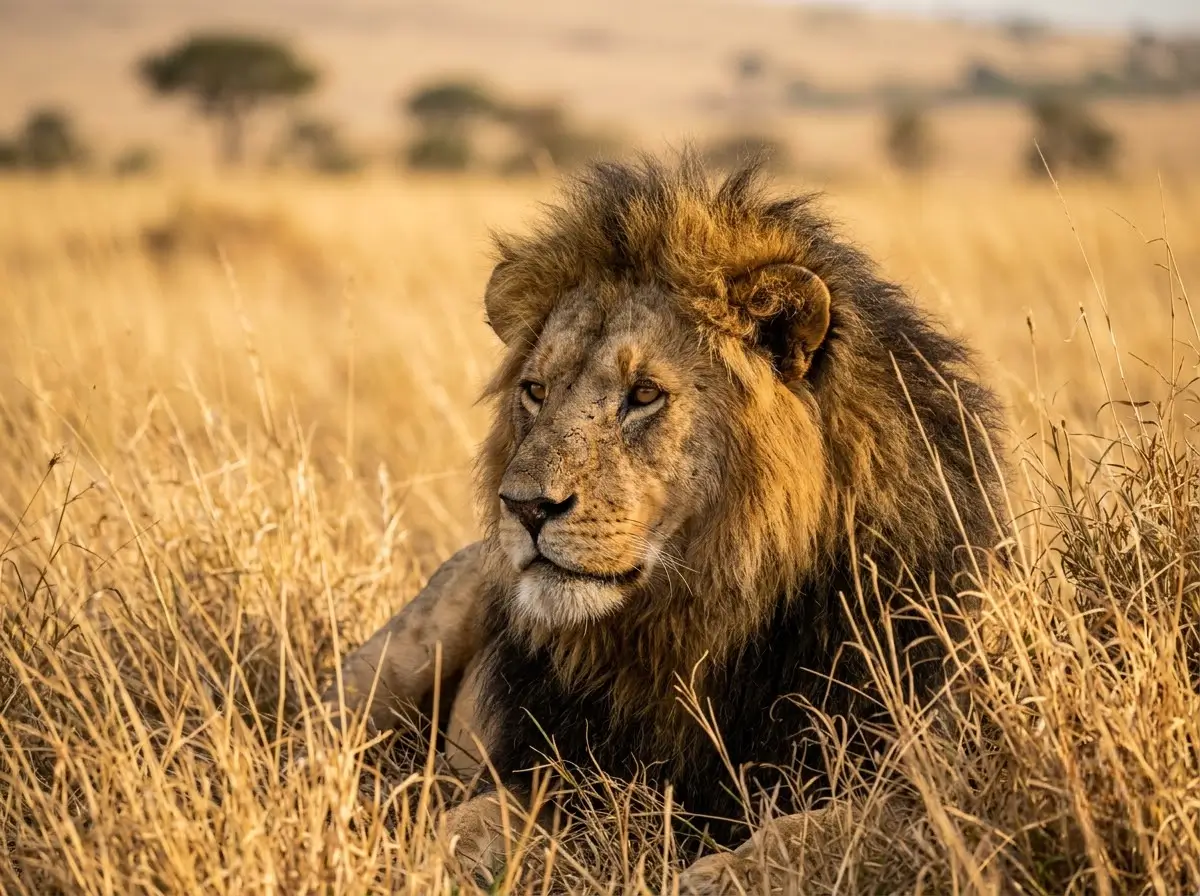
The dry season: June–October and January–March
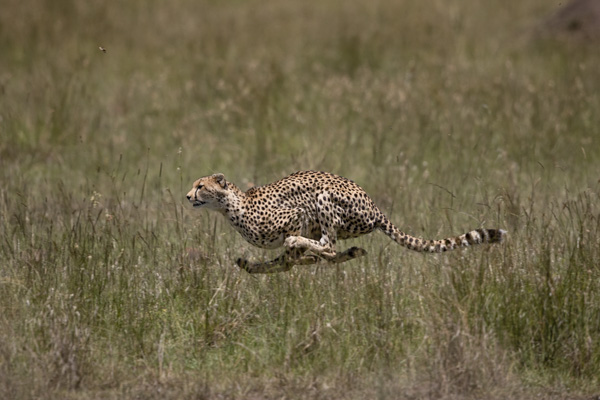
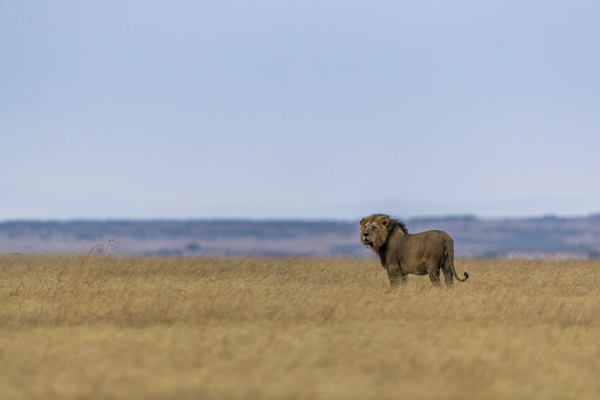
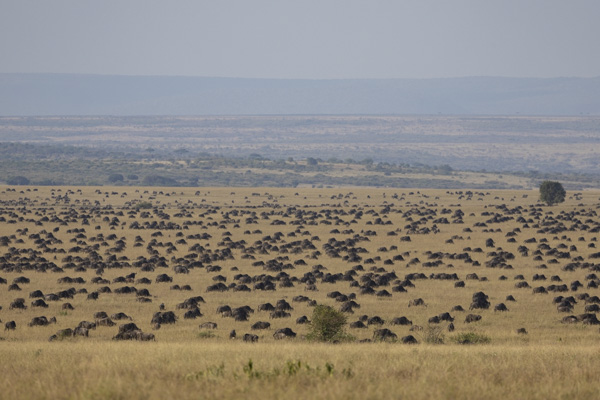
This is the classic safari window, and for good reason. Low grass and dry bush make it far easier to spot lions, leopards, and rhinos, since there’s less cover for them to disappear into. Animals also gather around the remaining waterholes, which turns those spots into reliable, repeatable wildlife viewing rather than luck-of-the-draw sightings. Within this window, July–September is peak Great Migration season, when the wildebeest river crossings in the Masai Mara draw visitors from around the world. January–March, the other dry stretch, tends to bring the clearest skies of the year — useful if part of your trip includes coastal diving or views of Kilimanjaro from Amboseli.
The green season: November–December and April–May
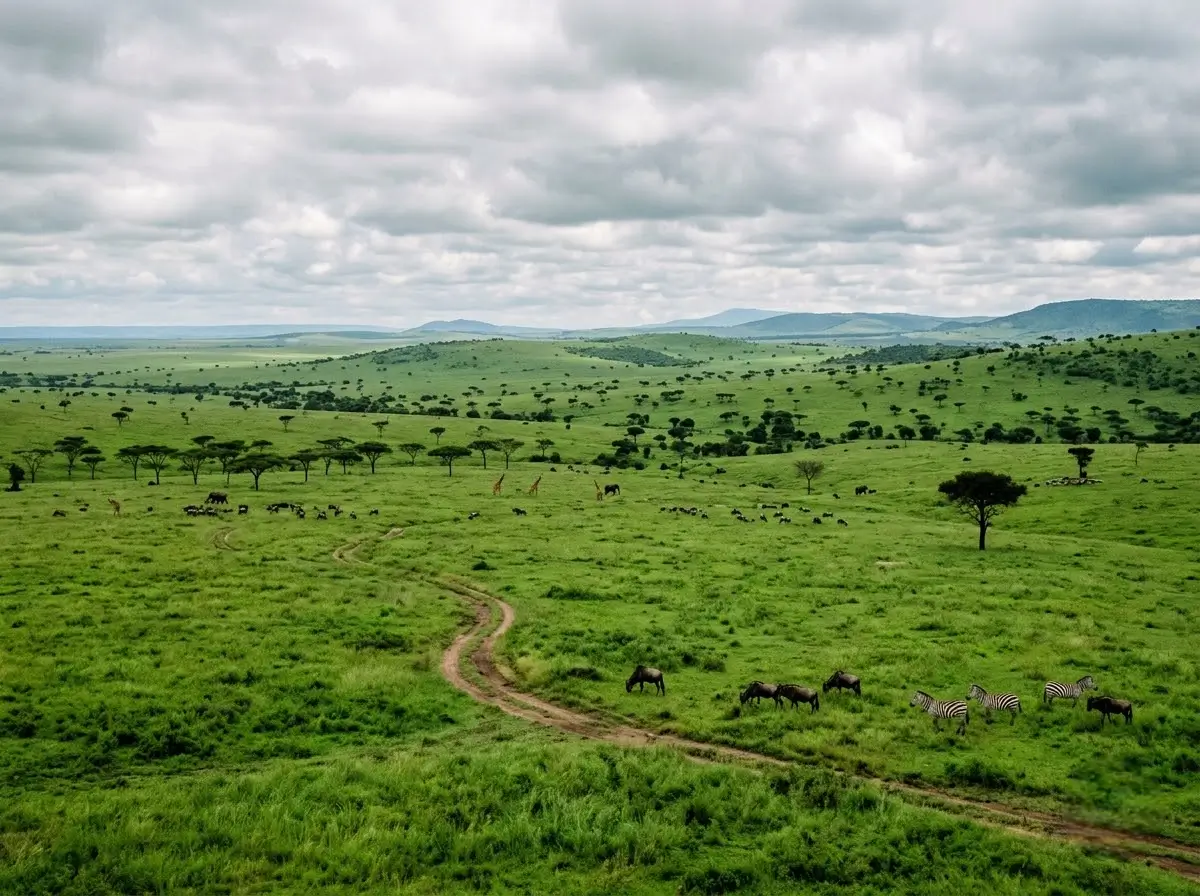
This is the shoulder season, and it’s worth taking seriously rather than dismissing as a compromise. Luxury lodges that are usually out of reach can drop 30–50% in price during these months. The dust settles, the air clears, and the savannah turns a deep green that photographs completely differently from the dry-season gold. April and May also happen to be peak time for spotting baby animals and migratory birds in breeding plumage — and with far fewer vehicles at each sighting, it can feel like a genuinely private experience rather than one shared with a queue of safari vans.
Special interest timing
If birdwatching is part of what draws you to Kenya specifically, October–April is when millions of migratory birds arrive from Europe and Asia to join the resident species — a window that overlaps usefully with both the tail end of migration season and the start of the green season.
Quick reference table
| Season | Months | Best For |
|---|---|---|
| Dry (peak) | June–October, January–March | Easiest wildlife spotting, clearest skies |
| Great Migration | July–September | River crossings in the Masai Mara |
| Green season | November–December, April–May | 30–50% lodge discounts, fewer crowds, baby animals |
| Birdwatching | October–April | Migratory bird arrivals |
Matching the month to your reason for going
If the wildebeest crossing itself is the whole point of the trip, only July–September genuinely delivers that specific spectacle — booking outside that window and hoping to see it is the most common source of disappointment among first-time visitors. If your priority is photography light and fewer vehicles crowding a sighting, the green season often produces better images than the crowded peak months, even though the wildlife density on paper looks similar year-round. And if you’re travelling with young children, the calmer pace and lower prices of the shoulder months can matter more than the migration itself.
A note for photographers
Light matters just as much as the calendar if photography is the main reason you’re going. The green season’s clearer air and lower afternoon sun often beat the hazier, dust-heavy light of peak dry season, even though most photographers still default to July because that’s when everyone else books. Worth weighing up if the shot matters to you more than the crowd standing next to you for it.
Booking lead time matters as much as the month
It’s worth booking 6–12 months ahead if you’re targeting July–October specifically, since this is when lodges fill fastest and park fees and accommodation rates both climb. If your dates are flexible, the shoulder seasons reward booking closer to travel with genuinely better rates and availability.
Frequently Asked Questions
What’s the single best month to see the Great Migration?
Mid-July through August tends to bring the most dramatic river crossings, as herds arrive from Tanzania and face the crossing itself. September usually sees the herds settled across the Masai Mara plains, which is prime time for predator activity.
Is the green season worth visiting if I’m not chasing a discount?
Yes — beyond the price drop, the landscape looks completely different, there are far fewer vehicles at each sighting, and it’s peak season for baby animals and migratory birds.
How far ahead should I book for peak season?
6–12 months is the general guidance for July–October travel, since lodges and lead operators — including those that own their own camps rather than reselling availability — fill up well in advance.
Does the timing change what a photography-focused safari should book?
It can. A Masai Mara photo safari built around dry-season light and migration action is a different trip from one timed for the greener, quieter shoulder months — worth discussing directly with your operator.
Ready to Plan Your Wildlife Safari?
Tell us your travel dates and what you’re hoping to see, and we’ll tell you honestly whether the timing works for a Kenya wildlife safari — not just sell you whichever month happens to be open.