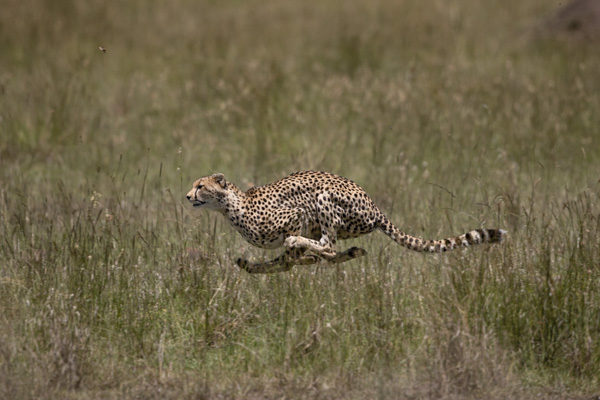
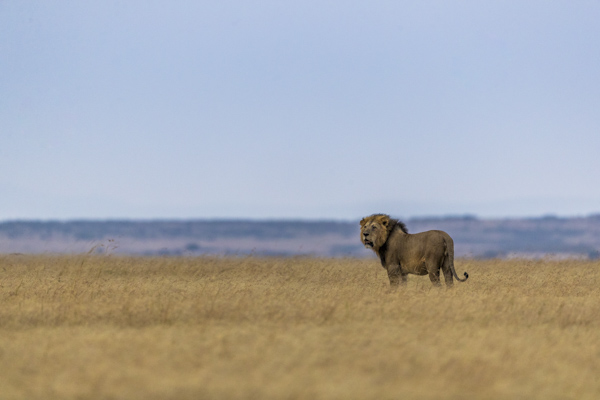
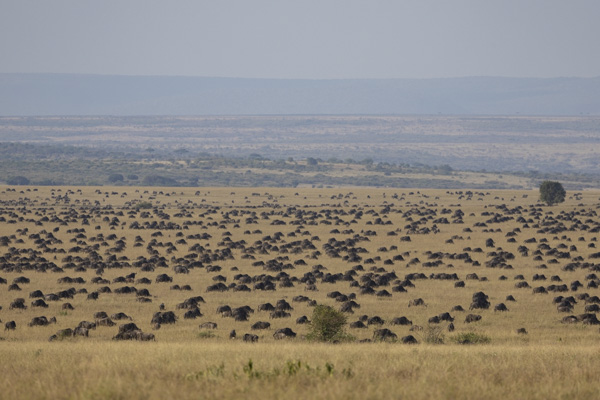
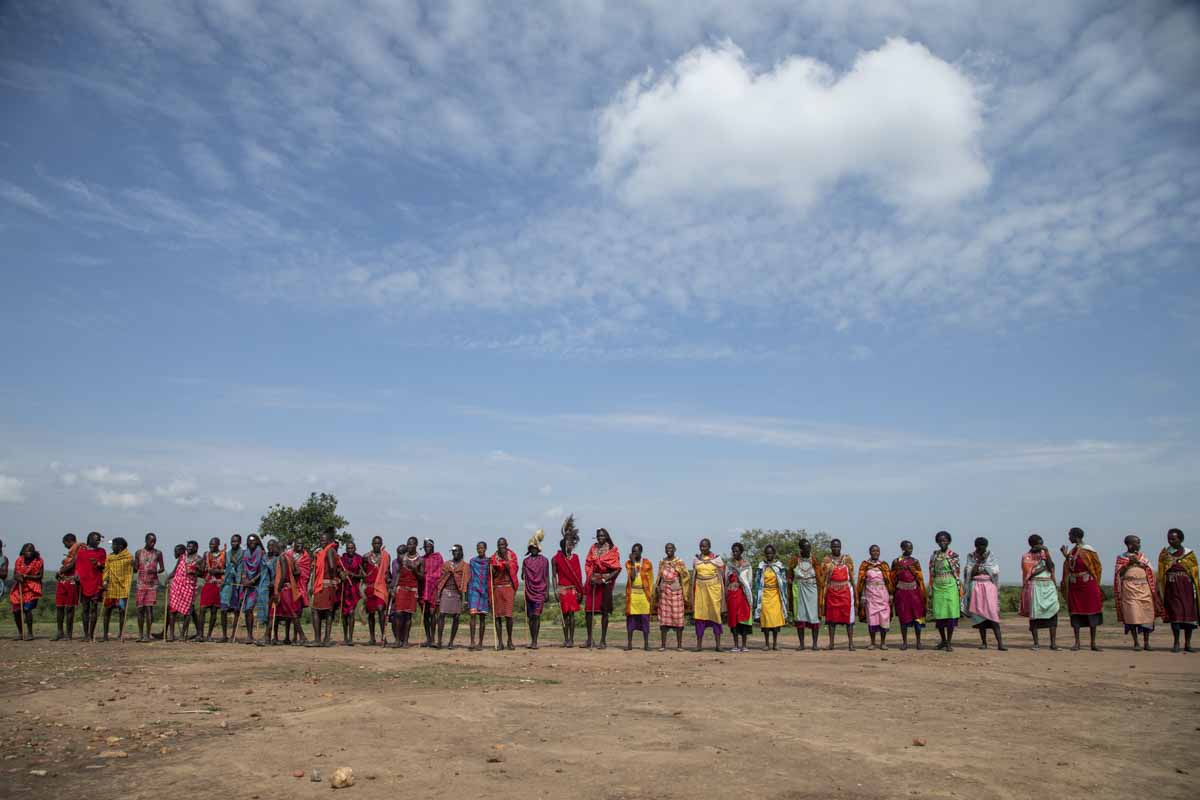
People planning wildlife photography tours in Kenya spend a lot of energy on gear (which lens, which camera body, how many memory cards) and much less on who's actually going to guide them. That's backwards. A guide's photography knowledge affects your results more directly than almost any equipment choice you'll make, and it's worth understanding why before you book.

What a Standard Guide Does vs. What a Photography-Literate Guide Does
| Task | Standard Wildlife Guide | Guide Who's Also a Photographer |
|---|---|---|
| Finding wildlife | Strong, since this is core guiding skill either way | Equally strong |
| Positioning the vehicle | For general visibility | For light direction and clean composition |
| Reading a developing scene | Anticipates animal behaviour for safety and viewing | Anticipates behaviour and recognises when a shot is building |
| Timing at a sighting | Reasonable time, then moves on | Knows when patience will pay off |
| Technical advice | Limited or none | Can advise on settings, framing and approach in the moment |
Why Positioning Knowledge Doesn't Come From General Guiding Alone
Knowing where the wildlife is and knowing where the light is are different skills. A guide without photography experience will typically position a vehicle for a clear, safe, general view, which is right for a standard game drive but not necessarily best for a photograph. A guide who shoots understands how light direction changes a composition, why a slightly different angle might remove a distracting background, and why moving the vehicle ten metres can be the difference between a flat, ordinary frame and a strong one.
Our Own Approach to This
Our founder, Usha, personally conducts photography tours in the Masai Mara. It isn't a side activity but a direct extension of her own photography background, sharing her expertise and helping guests capture breathtaking wildlife moments rather than simply pointing out where the animals are. That distinction, between guiding toward sightings and guiding toward images, is the premise behind treating photography tours as different from standard safaris rather than a marketing label on the same experience.

Why This Matters Most in the Moments That Produce Great Shots
The best wildlife photographs often come from a narrow window: a predator beginning to move, light shifting as the sun drops, a herd starting to react to something out of frame. In those moments there's no time to explain what you need. A guide who understands photography reacts instinctively, repositioning or holding position based on what the image needs, not just what the sighting requires. That instinct comes from actual photography experience, not from guiding alone, however many years someone has spent doing it.
What to Ask About a Guide's Photography Background
Given how much this affects your results, it's a fair question to ask directly before booking:
- Does the guide shoot photography themselves? Or only guide for it?
- Can they speak to composition, light and timing? Not just wildlife behaviour.
- Have they led photography-focused tours before? Distinct from standard game drives.
- Are they comfortable giving in-the-moment technical suggestions if asked? This is a good sign of real experience.
A genuine photography guide won't hesitate to answer these specifically. It's core to what makes the experience different from a standard safari.
FAQ: Why Your Guide's Photography Background Matters
Isn't any experienced wildlife guide good enough for a photography tour?
Experienced guiding is valuable, but photography-specific knowledge, such as positioning for light and composition and recognising when a shot is building, is a distinct skill that general wildlife guiding doesn't automatically include.
What's the actual difference in vehicle positioning between a standard guide and a photographer-guide?
A standard guide positions for general, safe visibility. A photographer-guide positions for light direction and clean composition, which directly affects image quality.
Can a guide's photography background really be the difference between an average and a great shot?
Yes. In fast-moving wildlife moments, a guide who instinctively understands what a shot needs can reposition or hold position in ways that shape the outcome, which general guiding experience alone doesn't develop.
Does Frame The Wild Moments offer guides with personal photography experience?
Yes. Our founder, Usha, personally conducts photography tours in the Masai Mara, bringing her own photography background into how those tours are guided.
What should I ask a tour operator before booking a "photography tour"?
Ask whether the guide personally shoots photography, has led photography-specific tours before, and can offer in-the-moment technical guidance, not just whether the tour is labelled as photography-focused.
The Short Version
The biggest variable in how wildlife photography tours Kenya turn out isn't your camera gear. It's whether your guide understands photography, not just wildlife. A guide who shoots brings positioning, timing and technical judgement that general guiding doesn't include, which is why Frame The Wild Moments builds its photography tours around a founder who is a photographer first.
Book Wildlife Photography Tours Kenya Led by Someone Who Shoots
Join a tour guided by a photographer first, and come home with images you're proud of.
Get Your Free Quote Call +254 742 801 843Book a photography tour led by someone who actually shoots with Frame The Wild Moments, or reach us at [email protected] / +254 742 801 843.