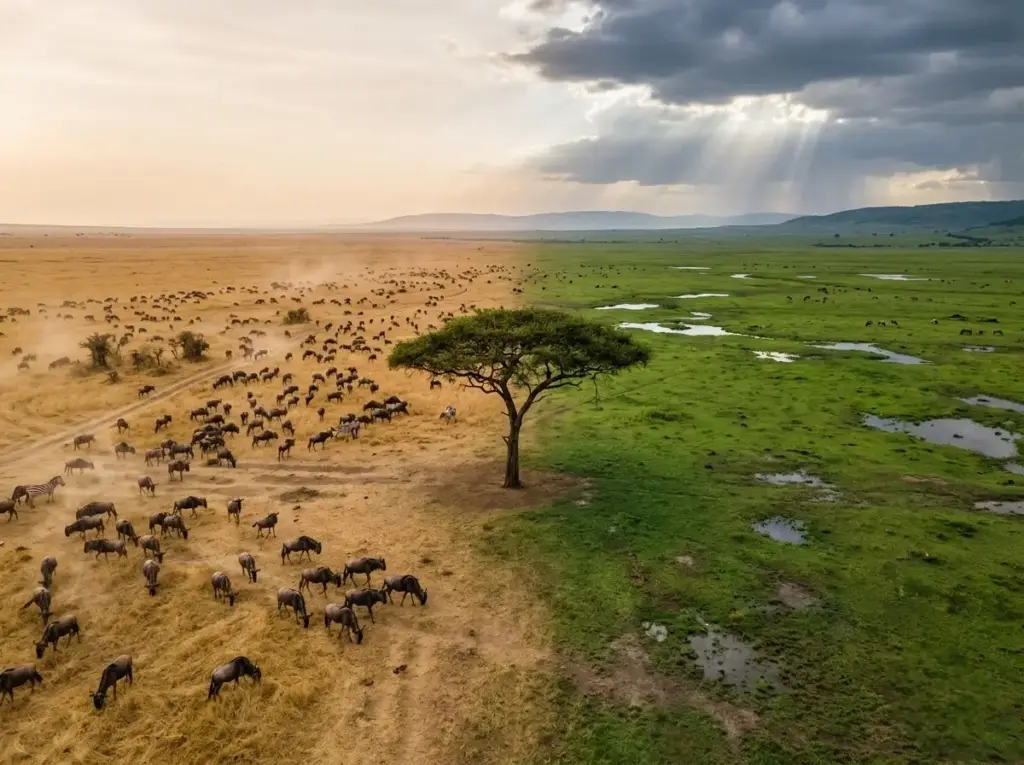
Ask three Mara guides when the best time to visit is, and you’ll get three different answers, because they’re not all answering the same question. One’s thinking about the river crossings. Another’s thinking about newborn wildebeest calves. A third just wants you to avoid the July convoy of safari vans parked four-deep at a river bend. There isn’t one correct answer to the best time to visit Masai Mara, there’s a right answer for what you actually want to see.
The dry season and migration viewing
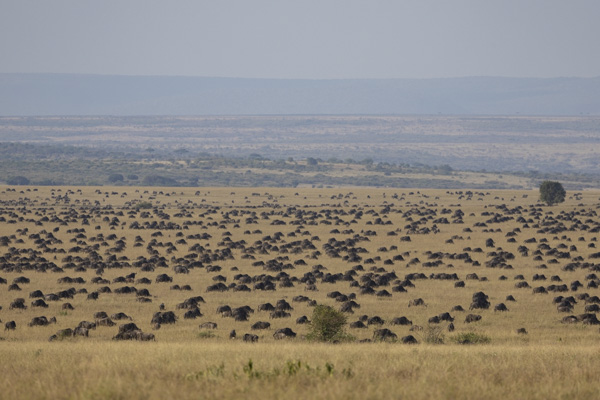
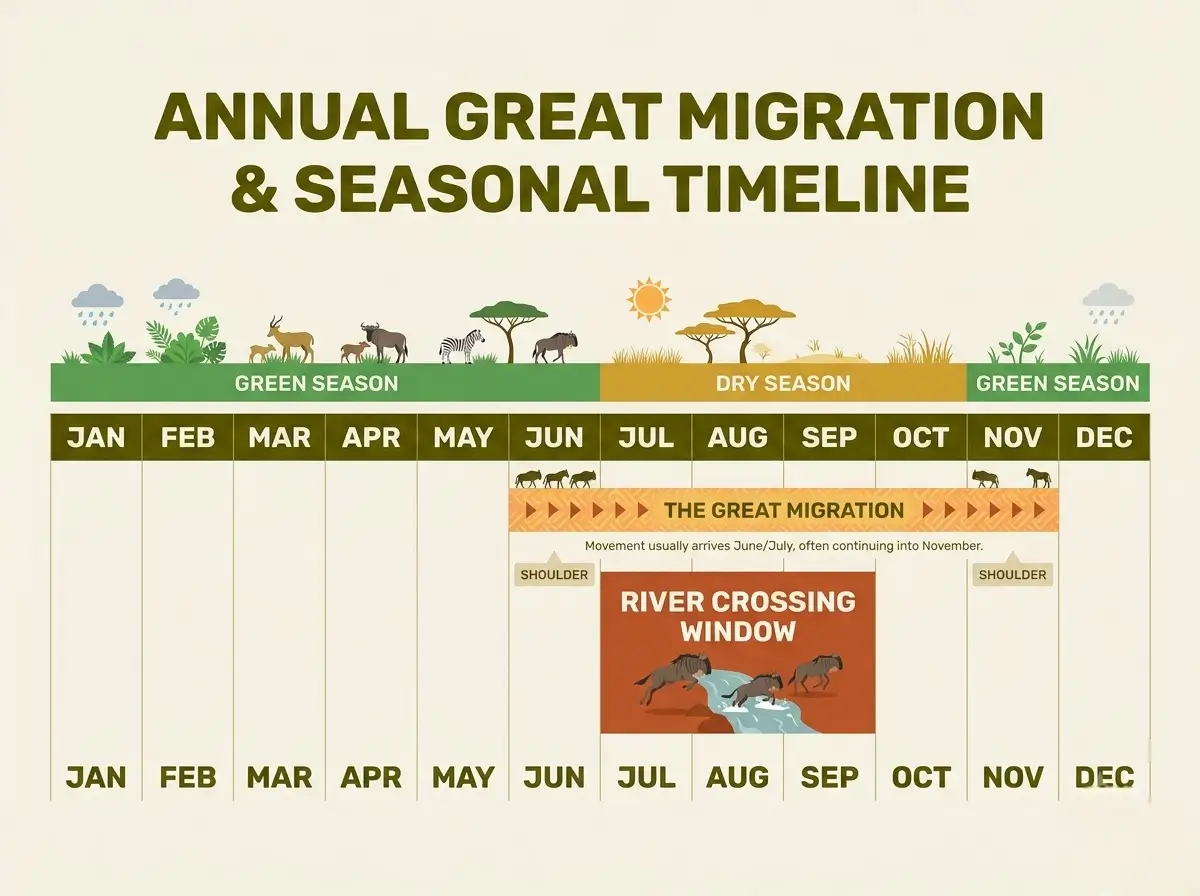
The dry season, from July to October, is the period many visitors have in mind. Grass thins out, and animals gather around remaining water. The migration usually reaches the Mara from around June or July and may continue into November.
River crossings are difficult to predict, and their timing and location change from year to year. July to September is often considered a stronger window for a chance to see one, but no safari can guarantee a crossing. When one happens, it can be spectacular, with herds gathering, hesitating and entering the water. If you want the migration, this is a popular period to visit. If you would rather have the Mara mostly to yourself, consider travelling outside the busiest months.
What to expect during the green season
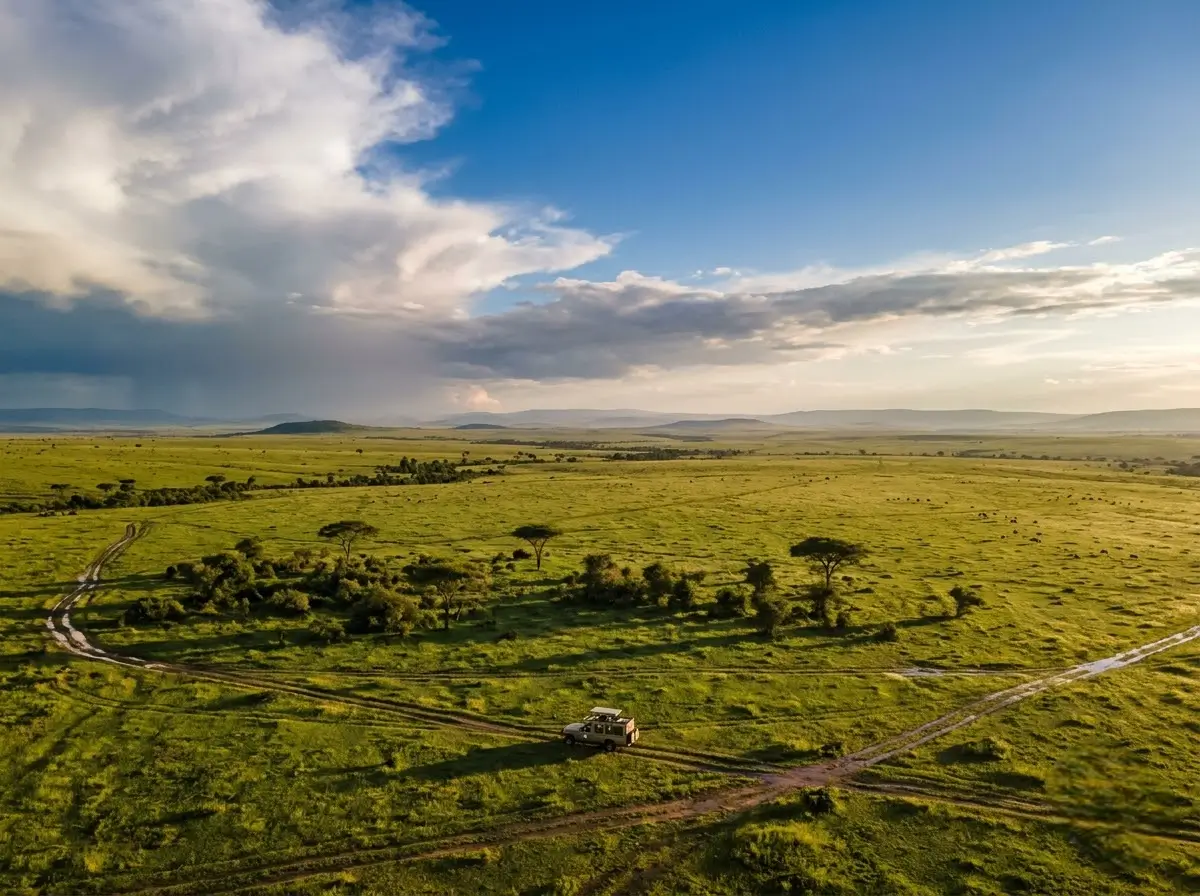
The green season from November to May is often overlooked. Rainfall varies, and heavier rain can make some tracks difficult for vehicles. The greener landscape offers a different kind of safari, with fewer visitors in some areas and conditions that can change by location and week. This season may suit travellers who value the scenery and a quieter experience and are comfortable with some weather uncertainty.
Dry Season vs Green Season at a Glance
| What You Compare | Dry season (July to October) | Green season (November to May) |
|---|---|---|
| Landscape | Grass thins out, animals gather around remaining water | Greener landscape, a different kind of safari |
| Migration | Usually reaches the Mara around June or July, may continue into November | Not the main draw |
| River crossings | July to September is often a stronger window, but never guaranteed | Not the reason to go |
| Visitors | The busiest months | Fewer visitors in some areas |
| Conditions | Dry tracks, dust haze at peak | Rainfall varies, heavier rain can make some tracks difficult |
| Photography light | Dust haze at peak dry season | Clearer skies after a rain shower |
| May suit | Travellers who want the migration | Travellers who value scenery and a quieter experience |
Plan around photography conditions
For travellers booking wildlife photography tours in Kenya, timing matters even more than it does for a general safari. Light is everything, and the green season’s clearer skies after a rain shower often beat the dust haze of peak dry season. That’s the whole premise behind our own approach to Masai Mara safari planning. Every itinerary gets built around sunrise and golden-hour positioning rather than a fixed breakfast schedule, because the difference between an average shot and a genuinely good one is usually about twenty minutes of light, not luck.
Build your Kenya safari itinerary around the season
If you’re planning a seven-day Kenya safari, the calendar should help shape the itinerary. If river crossings are a priority, July to September often offers a stronger chance, but no date can guarantee one. Allow several days in the area and keep expectations flexible. In February, you could plan around conservancies for a quieter safari experience. Neither is a lesser trip. They offer different landscapes and viewing conditions.
Shoulder months are worth a second look. Late June and early November can offer a chance to see migration activity with fewer vehicles, though sightings vary as herds move through the region. If your dates are flexible, these shoulder months may be worth considering.
Choose dates around your priorities
There’s no single best time to visit the Masai Mara for everyone. The right season depends on your priorities, whether you want to see the migration, enjoy quieter conservancy game drives or find good light for photography. Once you know which matters most, the calendar can help guide your decision. The Maasai Mara Wildlife Conservancies Association publishes useful ecosystem and seasonal data if you want to check conditions in a specific conservancy before you book.
Whichever season you land on, the honest answer is that the Mara rewards planning around your priorities rather than a generic “best month” list. If you want help matching your dates to what you actually want to see, get in touch and we’ll plan the trip around it.
Match Your Dates to the Best Time to Visit Masai Mara
Tell us what you want to see and when you can travel, and we’ll plan the trip around it.
Get Your Free Quote Call +254 742 801 843Get in touch with Frame The Wild Moments, or reach us at [email protected] / +254 742 801 843.