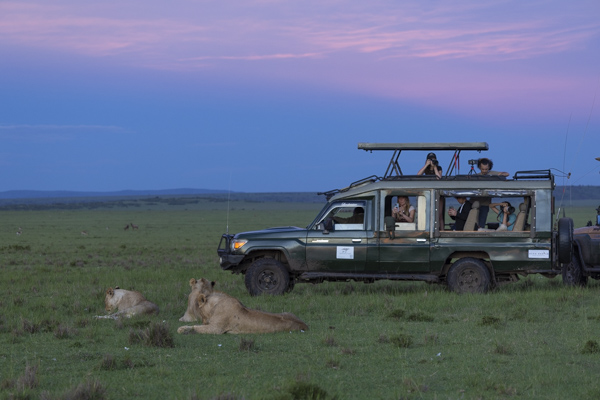
Most pages about Masai Mara National Reserve tours sound the same: gorgeous adjectives, a booking button, and almost nothing about how you actually get there or what a day inside the reserve looks like. If this is your first safari, those are the details that decide whether the trip runs smoothly or turns into a string of surprises once you're on the ground. Here's the practical version.
What Makes the Masai Mara Different
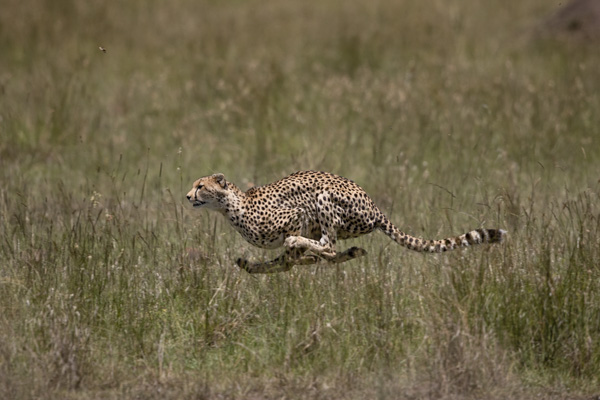
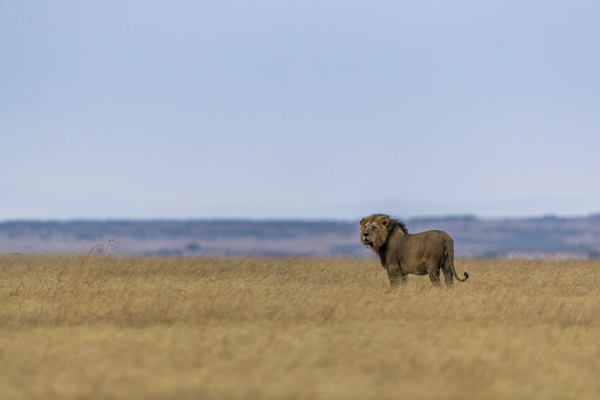
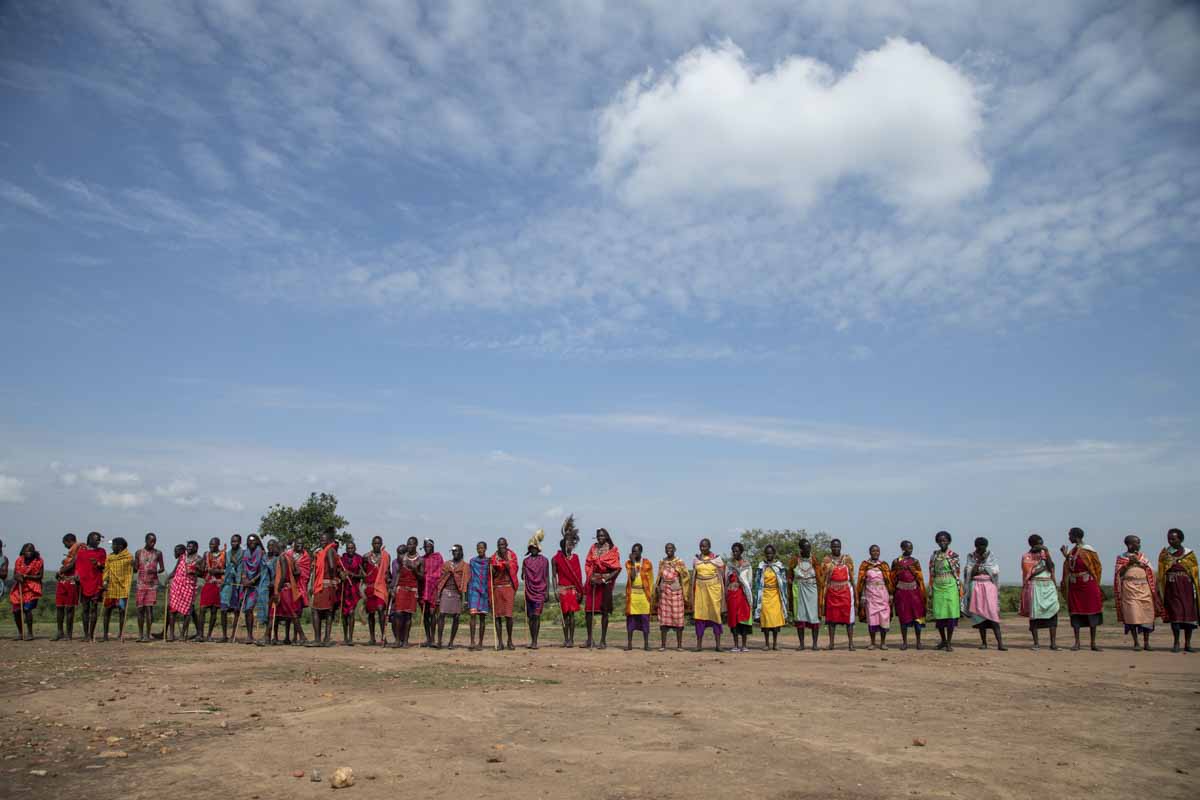
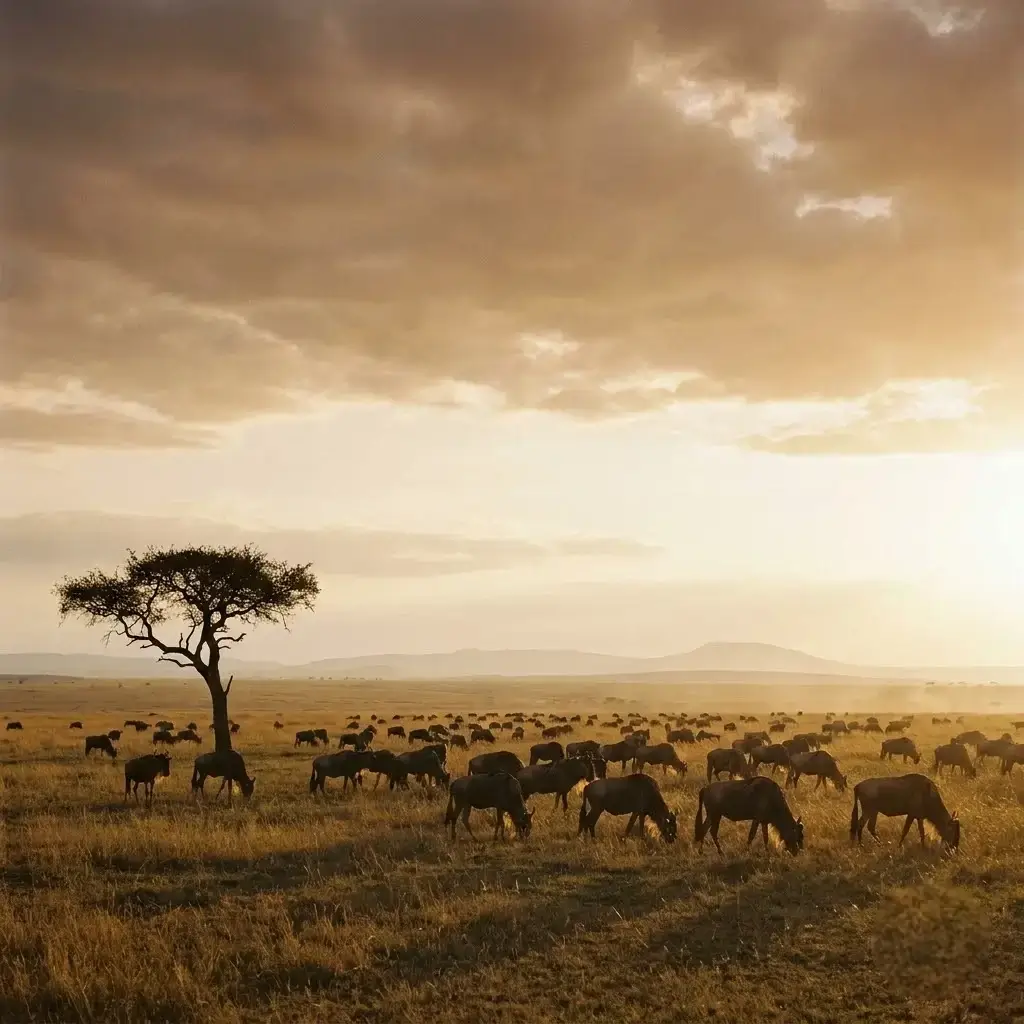
The reserve covers 583 square miles of grassy plains and rolling hills in southwestern Kenya, right up against the Tanzanian border, cut through by the Mara and Talek rivers. Its name comes from the Maasai people, the reserve's original inhabitants, who migrated there from the Nile Basin. Lion, cheetah, elephant, leopard, zebra, black rhino, and hippo all live here year-round, alongside hundreds of bird species — and every July, the wildebeest arrive too, in one of the most-watched wildlife spectacles on the planet.
Getting There: Flights, Road Time, and What They Cost
This is the part most tour pages skip entirely.
| Leg | Time | Cost |
|---|---|---|
| London to Nairobi | — | ~£360 one-way |
| Nairobi to Masai Mara, small plane | 45–60 minutes | £180–£200 one-way / £295–£315 return |
| Nairobi to Masai Mara, by road | 5–7 hours | Usually bundled into road-transfer packages |
Flying saves the better part of a day each way. Driving costs less and gives you a look at the Great Rift Valley along the way — some travelers count that as part of the trip, not just a way to get there.
What You'll Actually See, and When
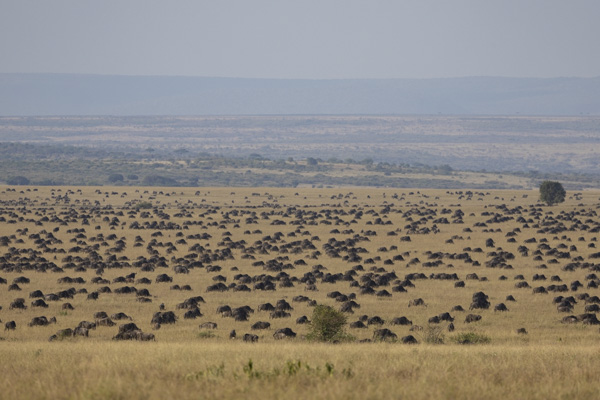
Between July and September, the reserve becomes the stage for the wildebeest migration — over 1.5 million wildebeest, zebras, and gazelles moving through at once. Outside that window, the resident Big Five populations are still there, just without the crowds that migration season brings. Neither timing is wrong. It depends whether the migration itself is why you're coming.
Where to Stay: Inside the Reserve vs. Outside It
Camps positioned inside the reserve boundary cut your drive time to the good sightings down to minutes instead of an hour or more each way, which matters most at dawn and dusk — when the light and the wildlife activity both peak. Mara Siligi Camp, at the foothills of Oldonyo Loip Hill inside the reserve itself, is one example: an eco-friendly tented camp built around wildlife and photography access, with proceeds from stays going back into the surrounding Maasai community.
Group Tour or Private Tour?
A shared group tour is the cheaper way in, but your schedule bends to the group's — the vehicle moves on when the group's ready, not when the light or the sighting is. A small-group or private tour costs more, but it means your guide can chase a specific sighting, stay out longer for a river crossing, or shift the day around your kids' nap schedule. Neither option is wrong. It comes down to what you're optimizing for.
What a Day Actually Looks Like
Using a typical five-day itinerary as the example:
| Day | What happens |
|---|---|
| 1 | Arrive from Nairobi, welcome lunch, Maasai village visit including the Adumu jumping dance, short guided walk, evening bonfire |
| 2 | Full day at the Mara River watching for a crossing, packed breakfast and lunch in the field |
| 3 | Full day tracking predators — lion, leopard, cheetah — that follow the migrating herds |
| 4 | Choice of a full 6am–5pm safari day, or a lighter dawn-to-midday drive with an afternoon rest |
| 5 | Final sunrise, breakfast, road transfer back to Nairobi timed for international connections |
Book a late-evening flight out of Nairobi on your last day if you can. The drive back from the Mara runs 5 to 6 hours depending on traffic, and you don't want to be racing the clock.
Frequently Asked Questions
How do I get to Masai Mara National Reserve?
Fly to Nairobi first, then either take a small plane to the Mara (45–60 minutes) or go by road (5–7 hours). A one-way London to Nairobi flight is typically around £360.
How much does it cost to fly from Nairobi to Masai Mara?
Usually £180–£200 one way, or £295–£315 return per person, depending on season and booking lead time.
Which is the best month to visit Masai Mara?
July through October — dry season, easier sightings, and it overlaps with the Great Migration.
Which is better, Kruger or Masai Mara?
Both are excellent for different reasons. Kruger is larger, cheaper, and self-drive friendly. Masai Mara is known for lions, cheetahs, and the Great Migration, and tends to be the classic pick for UK travelers especially.
Planning your first Masai Mara tour? Tell us your dates and group size and get a free custom itinerary and quote within 30 minutes.
The wildlife side of a Masai Mara trip pretty much always delivers. What decides whether the trip itself goes smoothly is the logistics nobody puts on the homepage — how you get in, where you sleep relative to the action, and who's actually driving.