Two safari packages can look almost identical on paper. Both might offer five days, four nights, game drives, accommodation, meals and park fees. Yet once you’re out in the wild, the experience can feel completely different.
That difference often comes down to the things a package description doesn’t tell you. Your time in the reserve, the quality of your guide, the location of your camp, the space in your vehicle and the freedom to respond to wildlife can all shape the trip.
So, what does the best safari package really give you?
More Time in the Wild
One of the easiest details to overlook when comparing safari packages is how much of the trip you will actually spend experiencing the wildlife. A package might say five days, but that does not necessarily mean five full days in the bush.
Travel between destinations takes time, as do airport transfers and long drives between camps and reserves. Some itineraries leave little room around those movements, while others give you longer periods in the reserve. The difference can have a real effect on what you see and how relaxed the trip feels.
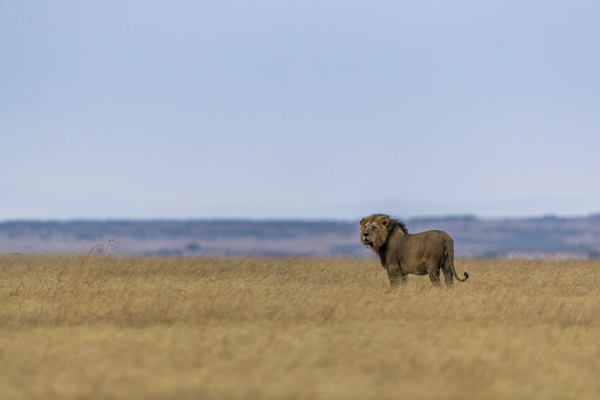
Imagine finding a pride of lions just as your scheduled drive is supposed to end. Or reaching an area where animals are active only to discover that you need to leave because another transfer is waiting. The more of your day that goes to travel and fixed logistics, the less time you have for the moments you came to Kenya to experience.
Why Your Itinerary Matters More Than the Number of Nights
A well-designed itinerary should use your time carefully rather than fill every day with activities. That might mean staying longer in one area instead of rushing between several parks, or building the day around the places and wildlife you most want to see. It also means leaving enough room for something unexpected, because the most memorable moments rarely arrive exactly when the schedule says they will.
You cannot schedule the exact moment a leopard appears, a herd changes direction or the light suddenly transforms the landscape. A good itinerary gives you the structure you need without taking away the flexibility that makes a safari feel like a real adventure.
A Guide Who Knows What to Look For
A safari guide does much more than drive the vehicle. Their knowledge can shape what you see, how you approach wildlife and how much you get from the time you spend in the reserve.
An experienced guide learns to read the landscape. Tracks, alarm calls, changes in animal behaviour and movement across the plains can all provide clues about what may be nearby. Just as importantly, a good guide knows when to slow down, when to wait and when a sighting is worth giving more time.
Frame the Wild Moments places particular value on guides who train as trackers, rather than treating guiding as simply a driving role. That experience can help turn a routine game drive into a more thoughtful wildlife encounter.
Finding Wildlife Is Only Half the Job
Spotting an animal is only part of the job. The guide also has to decide how to approach the moment, considering the direction of the vehicle, the animal’s behaviour, the position of other vehicles and what might happen next. Sometimes the best choice is to leave. At other times, it is to stay with the sighting and let the moment develop.
The Right Place to Wake Up
On safari, where you stay can matter as much as the room itself.
A camp’s position can affect how long it takes to reach wildlife areas and how much of each day you spend travelling before the game drive really begins. That does not mean the most luxurious camp is a poor choice. It simply means travellers should consider what they value most from their time in Kenya.
A slightly simpler camp in a useful location may give you more time where you want to be than a more luxurious property that requires long drives to reach the wildlife. You are not travelling to Kenya simply to spend time in a tent. You are travelling to experience the landscape beyond it.
Frame the Wild Moments’ own Mara Siligi Camp is part of that experience, with the stay designed around a close, intimate connection to the Mara.
A Vehicle That Gives You Room to Experience the Moment
The safari vehicle is another detail that can disappear into the small print. A package may simply say that a 4×4 safari vehicle is included, but the type of vehicle and how it is used can affect your entire day.
How many people will share the vehicle? How much space will everyone have? Can each passenger see clearly? Can the guide position the vehicle well when something happens? These details become especially important when you are travelling with a camera or when you want enough time and space to enjoy a sighting without feeling crowded.
For photographers, a good image can depend on a small change in position, a clear line of sight or the patience to wait for the right moment. Those conditions are difficult to create when a vehicle is crowded or the day has to follow a rigid timetable.
Flexibility When Wildlife Does Not Follow the Plan
Every safari needs a plan, but the best ones also leave room to adjust that plan. Wildlife does not follow the itinerary, and the value of a well-designed trip often becomes clear when something unexpected happens.
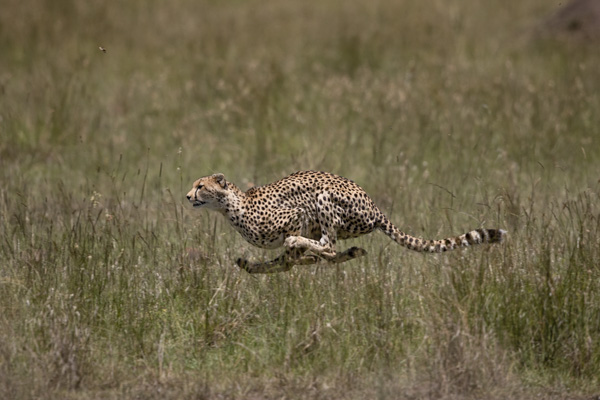
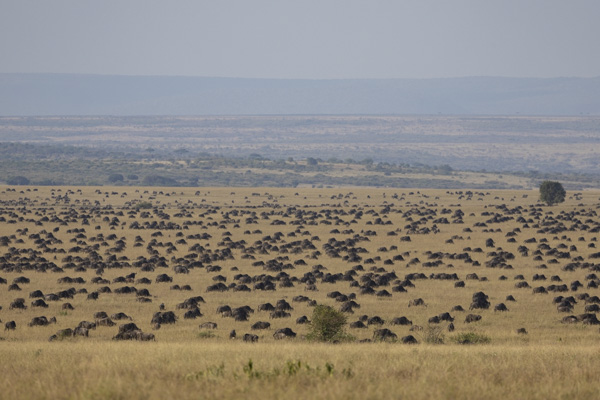
A herd can change direction. A predator can appear just as you are preparing to leave. A storm can move across the Mara and change the light within minutes. These moments are unpredictable, which is exactly why a safari should leave some space for them.
The Best Safari Moments Cannot Be Scheduled
A structured itinerary is useful for keeping a trip organised, but it should not leave you feeling as though you are constantly watching the clock. Sometimes you need to stay with a sighting. Sometimes conditions change and you need to move on. The important thing is having enough flexibility to make that decision in the field.
The goal is not to remove structure from your safari. It is to create enough flexibility for the experience to breathe.
More Than a Game Drive
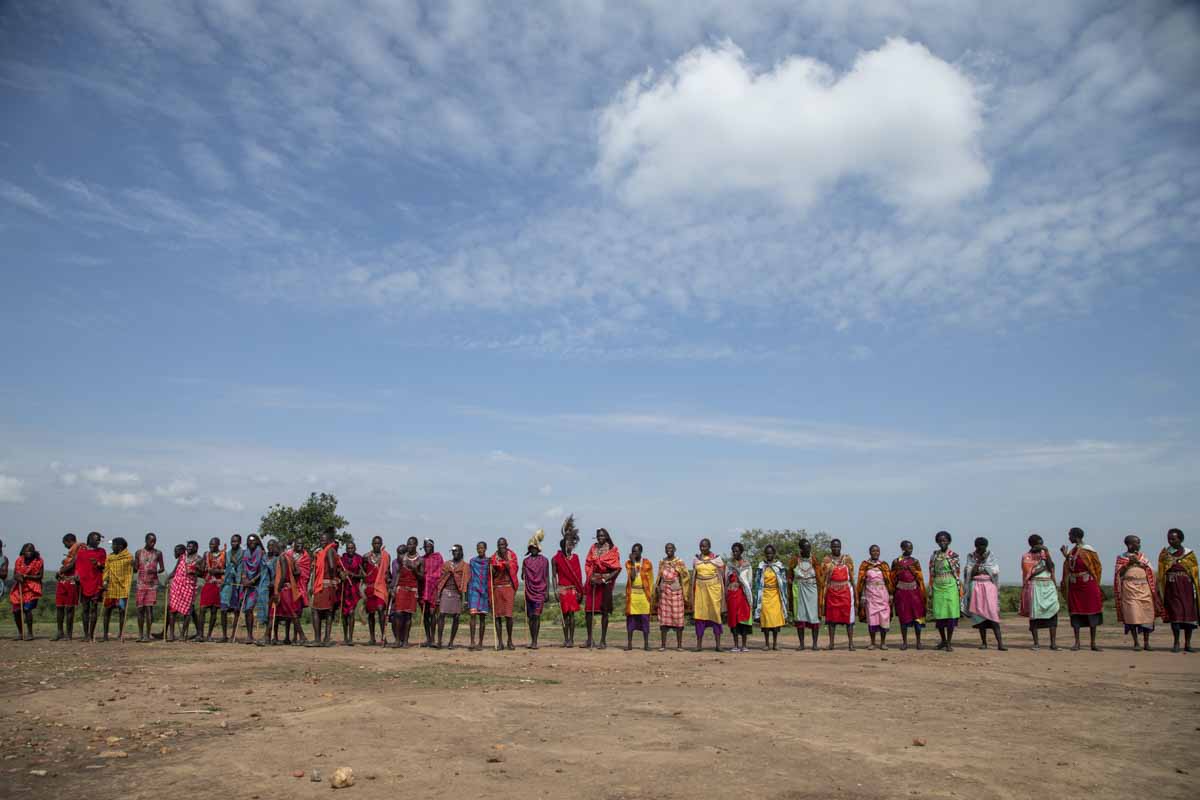
A safari is often reduced to one simple idea: getting into a vehicle and looking for animals. But Kenya offers a much richer experience. The landscape changes from one region to another, and opportunities to connect with local culture or experience the bush in a different way can add depth to the trip.
The Masai Mara is famous for its wildlife and open grasslands, while other parts of Kenya bring a different character. Cultural encounters, bush experiences and journeys that combine several destinations can help you see more than one side of the country.
Frame the Wild Moments takes that wider view through experiences built around wildlife, photography, Maasai culture and journeys beyond the Mara. You can explore beyond the Masai Mara to see how those experiences fit together.
That matters because the best safari is not always the one where you tick off the greatest number of animals. It can be the one that leaves you with a deeper sense of the landscape, its people and the wildlife that lives there.
For Photographers, the Details Matter Even More
For a photographer, a safari package is not simply about seeing wildlife. It is about how you experience and photograph it.
Light changes quickly, animals move and the same landscape can look completely different at sunrise and later in the morning. That makes timing, positioning and patience important parts of a photography safari, not minor extras.
A photographer may be happy to spend more time with one sighting rather than rush between several. They may care more about where the vehicle can be positioned than how many stops appear on the itinerary. And they may value a guide who understands both wildlife behaviour and the process of creating a strong image.
You cannot add good light to a safari after you have booked it, and you cannot create patience once the trip has started. Those elements have to be built into the experience from the beginning.
What Should You Really Get From a Safari Package?
When you compare safari packages, look beyond the list of inclusions. Ask what those inclusions will actually allow you to do once you are in Kenya.
So, What Does the Best Safari Package Really Give You?
It gives you the opportunity to make the most of your time in Kenya. That sounds simple, but the difference between an ordinary safari and an exceptional one can come down to details that are difficult to see when you compare two booking pages.
Where you stay, who guides you, how your days are structured, how much time you spend in the reserve and how much freedom you have in the field can all shape the experience. These are the things that turn a set of inclusions into an actual safari.
That is why the best safari package is not necessarily the longest, most expensive or most luxurious. It is the one designed around what you actually came to Kenya to experience.
Experience Kenya With Frame the Wild Moments
Frame the Wild Moments approaches safari as more than a standard itinerary. With a base at Mara Siligi Camp in the Masai Mara, the company combines wildlife experiences with photography, guiding, cultural encounters and carefully planned journeys across Kenya.
Whether your priority is wildlife, photography, the Great Migration or seeing more of Kenya in one journey, the right safari starts with understanding what you want from the experience. You can explore Frame the Wild Moments’ Kenya safari journeys to see the wider experiences available.
Because the best safari package is ultimately the one that gives you more of the moments you came all this way to find.
Frequently Asked Questions
What should the best safari package include?
A good package should clearly explain accommodation, meals, game drives, guiding, transport and any park or conservation fees. Just as important, it should give you a sensible itinerary and enough useful time in the wildlife area to enjoy the experience.
Does a more expensive safari always mean a better experience?
No. Price alone does not tell you how well a safari is planned. Camp location, guide quality, group size, vehicle setup and flexibility can all affect the experience, sometimes more than the room or the headline price.
How important is the location of a safari camp?
It can be very important. The camp’s location affects how much time you spend travelling to and from wildlife areas, which can influence the pace of the trip and the amount of time you have for game viewing.
Does the size of the safari group matter?
It can. A smaller group can make it easier to move comfortably, give everyone a clear view and share the guide’s attention. It can also make it easier to stay flexible when an important wildlife sighting develops.
What makes a safari good for photography?
Good light, careful timing, useful positioning, patience and a guide who understands both wildlife and photography. These elements are much harder to add after the trip has begun, so they should be part of the safari’s design from the start.
Ready to experience Kenya beyond the ordinary? Get in touch with Frame the Wild Moments and turn your safari dreams into unforgettable moments in the wild.