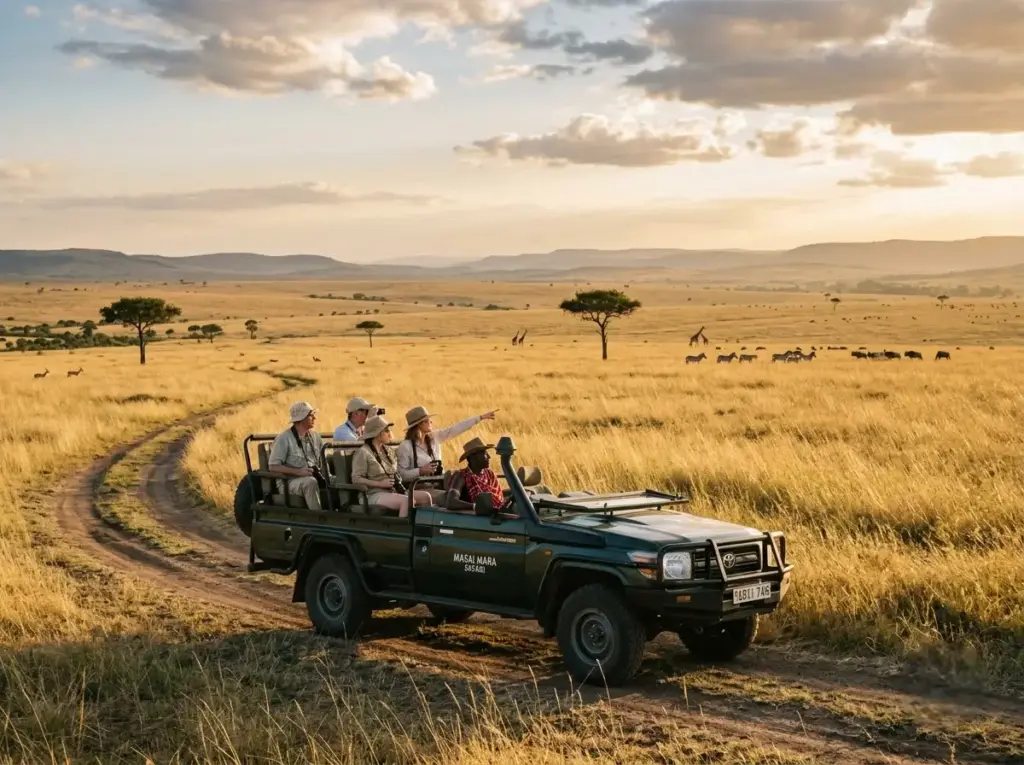
Two friends book what looks like the same trip. Same number of days, same “Big Five” promise, same mention of a 4×4 and a lodge with a pool. One comes home saying it was the trip of a lifetime. The other spent half the holiday in a minibus, watching the clock.
That gap is what separates an ordinary trip from the best safari package. It rarely shows up on the quote. It shows up once you’re actually in the bush.
Masai Mara Safari Packages Can Look Identical and Still Feel Nothing Alike
Most Masai Mara safari packages list the same things: nights, meals, drives, transfers, and park fees. What they don’t tell you is how much of your day those transfers eat into.
A five-night trip can quietly become three and a half days of actual game viewing once you subtract airport runs and long drives between camps. If you’re the kind of traveller who wants to sit with a pride of lions until the light changes, that missing half-day matters. Ask any operator how many hours you’ll realistically spend in the reserve, not just how many nights you’re booked in for.
The Guide Is the Difference Between the Best Kenya Safari Packages and an Average One
You can put anyone behind the wheel of a Land Cruiser. Not everyone can read a herd’s body language, spot a leopard’s tail in a fig tree at forty metres, or know when a sighting is worth staying with rather than rushing to the next stop.
The best Kenya safari packages are built around guides who track, not just drive. That’s the whole point of an operator like Frame the Wild Moments, where guiding is treated as a craft rather than a job description. It’s the difference between seeing an animal and actually understanding what it’s doing.
Camp Location Decides How Much of Your Day Is Wasted
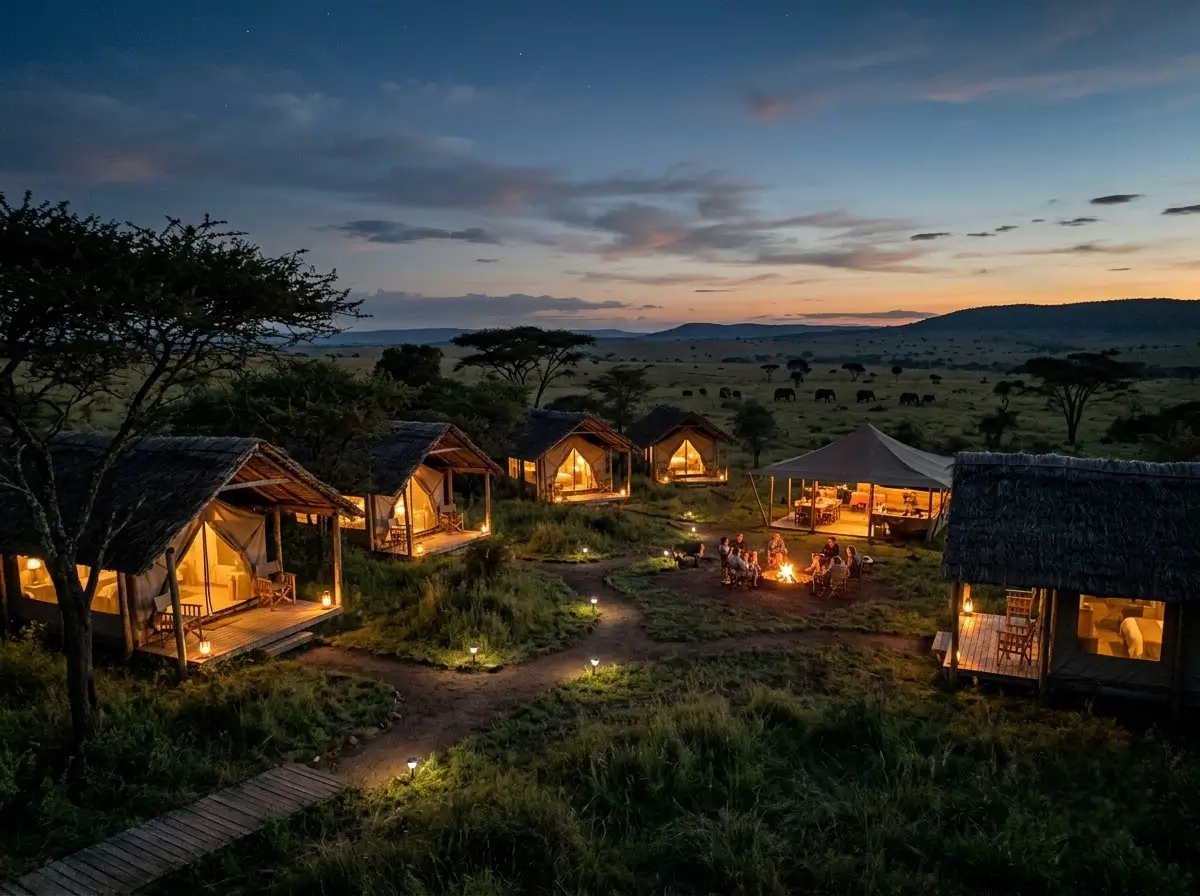
A stunning camp an hour and a half from the wildlife area sounds luxurious on Instagram and feels exhausting by day three. Every extra mile between your tent and the reserve is time you’re not spotting anything.
This is where a lot of the best safari tours quietly separate themselves from the rest. A simpler camp positioned right where the animals are will usually beat a five-star property that needs a long transfer just to start the game drive.
Vehicle Space Changes What You Actually Experience
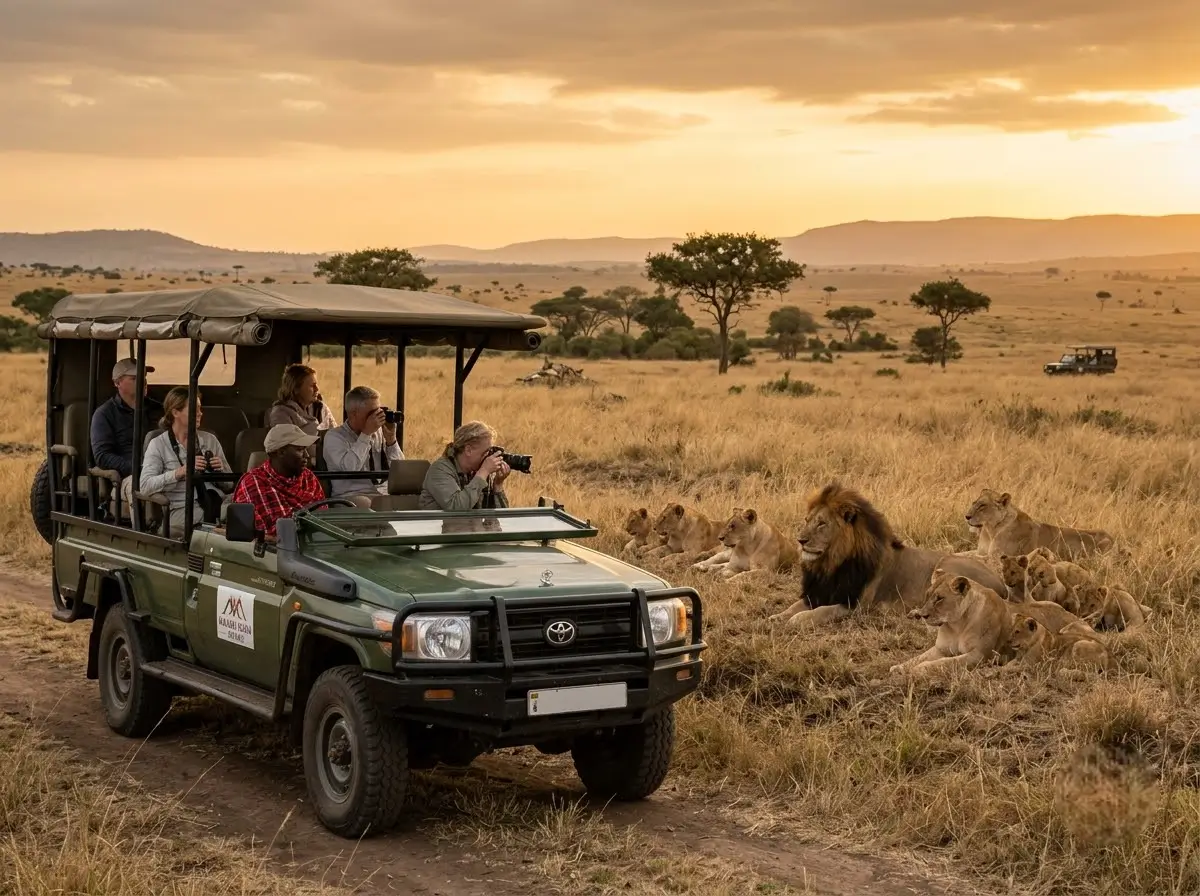
A brochure says “4×4 included” and stops there. It won’t tell you whether you’re sharing that vehicle with six strangers or two, whether you can stand for photos without elbowing someone, or whether your guide has room to reposition when a cheetah starts moving.
For a self-styled best African safari, this detail matters more than most people expect. Cramped vehicles and rigid timetables are the two fastest ways to ruin a sighting that would otherwise have been the highlight of the trip.
Flexibility Is What Turns a Schedule Into an Actual Safari
Wildlife doesn’t check the itinerary. A storm rolls in, a herd changes direction, and a leopard finally comes down from its tree just as the drive is meant to end. The best safari in Kenya leaves enough slack in the plan to stay with that moment instead of driving away from it because the schedule says so.
Structure keeps a trip organised. Flexibility is what makes it feel like a real adventure rather than a checklist with a view.
| What to check | Ordinary safari package | Best safari package |
|---|---|---|
| Time in the reserve | Nights sound generous, but transfers quietly eat into the days | Most of each day actually spent watching wildlife |
| Guide | Drives you from one stop to the next | Tracks, reads behaviour, knows when to stay put |
| Camp location | An hour or more from where the wildlife actually is | Positioned right in the reserve, close to the action |
| Vehicle space | Packed in with six or more other guests | Enough room to stand, shoot, and reposition |
| Schedule | Fixed stops, fixed times, no room to linger | Enough slack to stay with a sighting as long as it lasts |
So What Should You Actually Look For?
Skip the inclusions list and ask harder questions instead. How many hours will I realistically spend in the reserve? Who’s guiding me, and what’s their background? How far is the camp from where the wildlife actually is? How many people are sharing my vehicle? Those answers tell you more about your trip than any brochure ever will.
If you’re weighing up options right now, Frame the Wild Moments’ Kenya