Packing for wildlife photography tours in Kenya brings on a specific kind of pre-trip anxiety. Should you bring every lens you own? Is your current gear good enough? Will you regret leaving something behind? The honest answer is that a focused kit, packed thoughtfully, beats an overloaded bag every time. Here's what matters.

The Core Kit That Covers Most Situations
| Gear | Why It Matters | Priority |
|---|---|---|
| Camera body (DSLR or mirrorless) | The foundation, ideally one you can operate quickly | Essential |
| Telephoto zoom lens (200 to 400mm+) | Most wildlife shots happen at distance, for safety and to avoid disturbing animals | Essential |
| A shorter lens (24 to 70mm) | For landscapes, camp scenes and wider environmental shots | Highly recommended |
| Extra batteries | Cold mornings and long days drain batteries faster than expected | Essential |
| Memory cards (multiple, high capacity) | Running out of storage mid-sighting is an avoidable disappointment | Essential |
| Beanbag or window mount | Stabilises long lenses on a vehicle better than a standard tripod | Highly recommended |
| Lens cleaning kit and dust covers | Dust is a constant factor on safari roads | Essential |
Why a Telephoto Lens Matters More Than Almost Anything Else
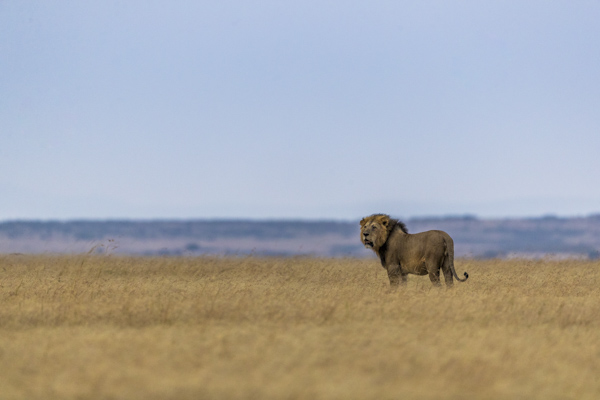
Wildlife photography on safari is mostly distance photography. Vehicles keep a respectful distance from animals for safety and to avoid disturbing their behaviour, so a long lens does more work than any other piece of gear in your bag. If you're only investing in one upgrade before a trip, a solid telephoto zoom is almost always the right place for the budget, ahead of a new camera body.
Beanbag vs Tripod in a Safari Vehicle
| What You Compare | Beanbag | Tripod |
|---|---|---|
| Space needed | None. It drapes over the window frame or door | Needs floor space that a safari vehicle rarely has |
| Stability | Steadies a long lens without fuss | Vehicle vibration undermines its whole purpose |
| Practicality | The standard solution serious wildlife photographers rely on | Close to useless in a moving or stationary safari vehicle |

Dust, Heat and the Practical Realities of Shooting on Safari
Safari roads are dusty, and that dust finds its way into camera bags more easily than people expect. A rain or dust cover for your camera and lens, and a dedicated lens cleaning kit, aren't optional extras. They keep your gear working across a multi-day trip. Early mornings can also be properly cold before the sun is fully up, which matters for your own comfort and for battery performance, so pack layers alongside your camera gear.
What You Probably Don't Need to Bring
It's tempting to pack every lens, filter and accessory you own "just in case", but an overloaded kit slows you down exactly when speed matters. Wildlife moments don't wait while you dig through a bag for the right lens. One telephoto zoom, one wider lens, reliable power and storage, and basic stabilisation cover the overwhelming majority of safari photography situations without the extra weight and decision fatigue.
Settings and Technique Worth Knowing Before You Go
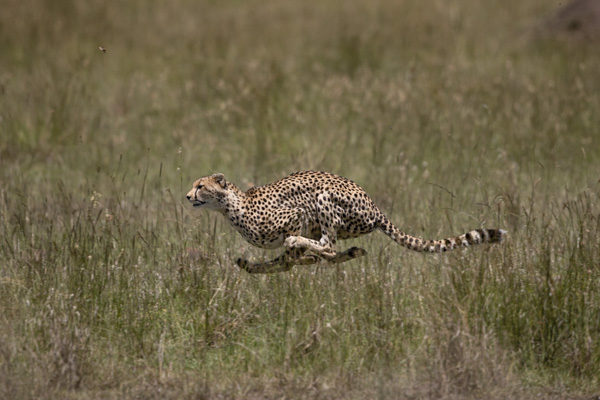
Beyond the gear, a few technical basics make a real difference on safari. A fast shutter speed is often necessary for action shots, such as predators moving or birds in flight, and knowing how to adjust exposure quickly for the strong, shifting light of early morning and late afternoon drives will save you more missed shots than any piece of equipment. If you're newer to wildlife photography, practise these adjustments before your trip rather than learning them in the field.
FAQ: Camera Gear for Wildlife Photography Tours in Kenya
What's the single most important piece of gear for a wildlife photography tour in Kenya?
A telephoto zoom lens, generally in the 200 to 400mm range or longer. Most wildlife shots happen at a respectful distance, so a long lens matters more than any other single piece of equipment.
Why use a beanbag instead of a tripod on safari?
A tripod is impractical in a safari vehicle because of limited space and vehicle vibration. A beanbag draped over the window frame gives stable support for long lenses without needing floor space.
How many memory cards and batteries should I bring?
More than you think you'll need. Long days, cold mornings and the volume of shots on a wildlife photography tour drain batteries and fill storage faster than most people expect.
Do I need professional-grade camera equipment, or is a mid-range setup sufficient?
A mid-range setup with a solid telephoto lens can produce strong results. Gear quality matters less than positioning, light timing and patience, all of which a good guide helps with.
Is dust protection really necessary?
Yes. Safari roads are consistently dusty, and basic dust covers and a cleaning kit protect your gear across a multi-day trip.
The Short Version
Packing for wildlife photography tours Kenya comes down to a focused kit: a telephoto lens, reliable power and storage, a beanbag for stability and dust protection cover most situations you'll meet. Good gear helps, but positioning, light timing and an experienced guide matter just as much for what you bring home.
Plan Your Wildlife Photography Tours Kenya Trip
Tell us your kit and experience and we'll help you plan the trip around what you'll shoot.
Get Your Free Quote Call +254 742 801 843Plan your wildlife photography tour with Frame The Wild Moments, or reach us at [email protected] / +254 742 801 843.