The wildlife side of Masai Mara National Reserve tours gets all the attention in marketing, but the logistics — visa, currency, tipping — are what actually trip up first-time visitors. None of this is complicated once you know the real numbers, so here’s what to sort out before you fly.
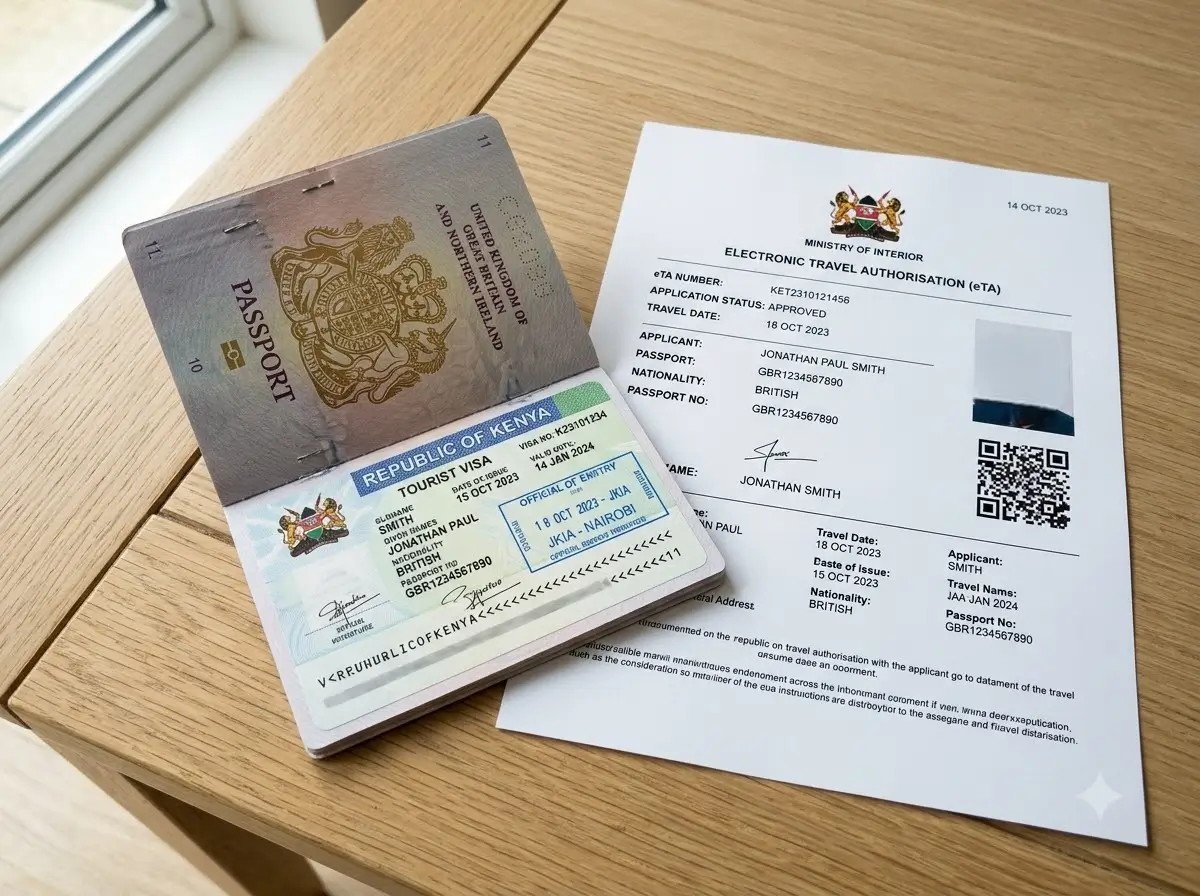
The Kenya eTA: what it actually costs and takes
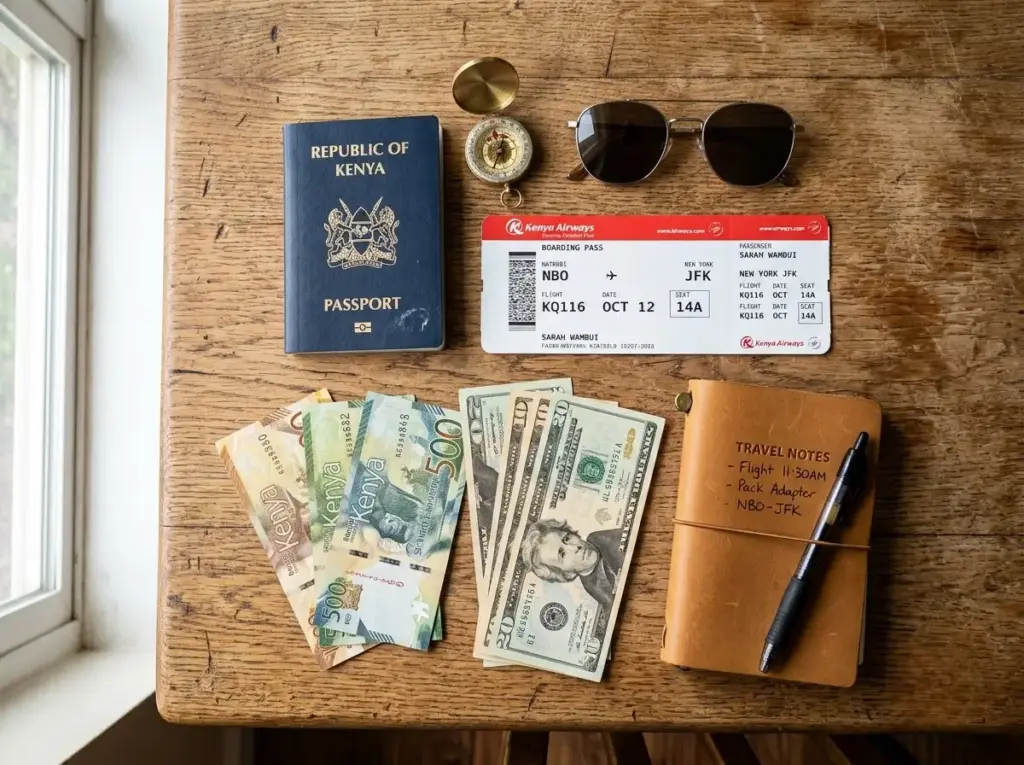
Almost all foreign nationals, including infants, need an approved Electronic Travel Authorisation before boarding their flight to Kenya (citizens of East African Community states like Uganda, Tanzania, and Rwanda are generally exempt). Apply only through the official government site, etakenya.go.ke — third-party sites charging extra for the same service are a common tourist trap.
| Detail | What to know |
|---|---|
| Cost | Approximately USD 32.50 |
| Processing time | Usually 3 business days |
| When to apply | At least 2 weeks ahead; up to 3 months in advance |
| Validity | Single entry, up to 90 days |
| What you’ll need | Passport valid 6+ months beyond arrival, a recent photo, flight itinerary, and proof of accommodation |
Currency: what to actually bring
US Dollars are the most widely accepted currency for tipping and safari lodge payments — but only bills printed after 2006, since older notes are often rejected over counterfeit concerns. Kenyan Shillings are better for local markets, small shops, and tipping around Nairobi. Visa and Mastercard are accepted at most lodges and in the cities, so you don’t need to carry your entire trip’s budget in cash.
US Dollars vs Kenyan Shillings: where each one works
| Currency | Best used for | Notes |
|---|---|---|
| US Dollars (post-2006) | Lodge and camp payments, guide and camp staff tips | Older notes are frequently refused — check the print date before you travel |
| Kenyan Shillings | Local markets, small shops, Nairobi tipping | Easiest to get via ATM withdrawal on arrival |
| Visa / Mastercard | Most lodges and city purchases | Reduces how much cash you need to carry at all |

Tipping guide: the numbers people actually use
Tipping isn’t mandatory in Kenya, but it’s a genuine part of how the tourism industry’s income works, and showing up without a plan for it is a common first-timer stumble:
- Safari guide: USD 20–30 per day, per group, usually given as a lump sum at the end of the trip
- Camp staff: USD 10–30 per day, typically left in a communal tip box at reception rather than handed to individuals
- Porters: USD 1–2 per bag
- Restaurants (Nairobi and tourist areas): a 10% tip is customary
Since your guide is often with you 8–10 hours a day and shapes most of what you actually see, the higher end of that range reflects how central their role is to the whole trip.
Vaccinations: the one that’s actually required
Yellow fever is the only legally mandatory vaccine, and only if you’re arriving from — or transited more than 12 hours through — a country with yellow fever risk, such as Ethiopia or Uganda. You’ll need to show your vaccination certificate at immigration, and it only becomes valid 10 days after the shot, so this isn’t something to sort out at the airport.
Cancellation terms worth knowing before you book
| Timing before trip | Charge |
|---|---|
| 70–46 days before | 50% |
| 45–31 days before | 75% |
| 30 days or less | 100% |
Travel insurance is worth treating as essential rather than optional here — a medical evacuation from a remote park to Nairobi can run over USD 5,000 without cover, and safari-grade camera gear isn’t cheap to replace if it’s lost in transit.
Frequently Asked Questions
Do I need a visa for Masai Mara National Reserve tours?
Yes — almost all foreign nationals need an approved eTA before travel, applied for only through the official etakenya.go.ke site, costing around USD 32.50.
How much should I tip on a Kenya safari?
A general guide is USD 20–30 per day for your safari guide and USD 10–30 per day for camp staff, usually left as a lump sum or in a communal tip box at the end of the trip.
What currency should I bring to Kenya?
US Dollars (printed after 2006) for lodges and tipping, and Kenyan Shillings for local markets and smaller purchases. Cards are widely accepted at lodges and in cities.
Is travel insurance really necessary for a Masai Mara trip?
Yes — medical evacuation from remote parks is genuinely expensive without it, and it also covers cancellations and high-value camera equipment.
Sorting Out the Logistics for Your Masai Mara National Reserve Tour?
Get in touch before you apply for anything, and we’ll walk you through exactly what your trip needs — visa, currency, and a realistic tipping budget included in your quote.